If you hold a passport from Burkina Faso, Laos, or Mali, you cannot get a US visa at all starting January 1, 2026. That’s the headline from the expanded travel ban, which also suspends F and J student/exchange visas for nationals of 38 other countries. As of today, July 27, 2026, these rules are fully in effect, and they’ve already disrupted thousands of travel plans. Here’s exactly what changed, who it hits, and what you can do about it right now.
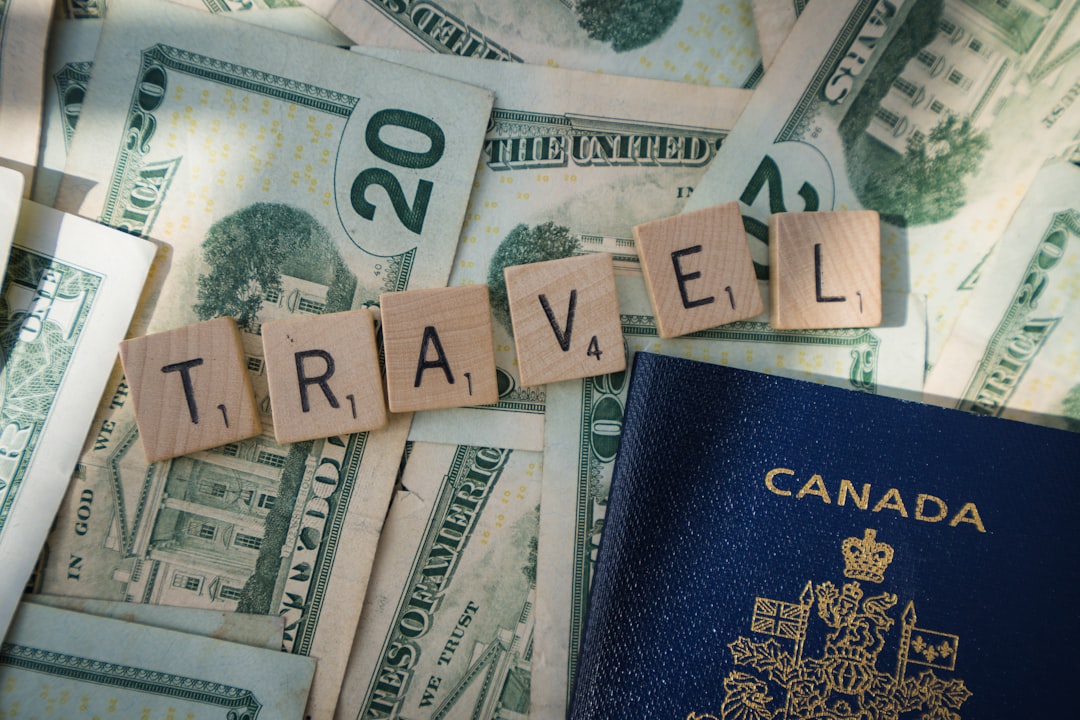 Photo by
 The Core of the 2026 Travel Ban
The Trump administration expanded the existing travel ban in two major ways. First, a total visa suspension for seven countries. Second, a targeted suspension of F and J visas for 38 countries. Both took effect at 12:01 a.m. EST on January 1, 2026.
The total ban applies to nationals of these seven countries who were outside the US on January 1, 2026, and did not already hold a valid visa:
| Country | Visa Type Suspended | Effective Date | Exception |
|---|---|---|---|
| Burkina Faso | All immigrant & non-immigrant | Jan 1, 2026 | None for new applicants |
| Laos | All immigrant & non-immigrant | Jan 1, 2026 | None for new applicants |
| Mali | All immigrant & non-immigrant | Jan 1, 2026 | None for new applicants |
| (4 additional countries unnamed in public DHS list) | All immigrant & non-immigrant | Jan 1, 2026 | None for new applicants |
The Department of State also issued a policy freezing immigration visa processing for applicants from 75 countries starting January 21, 2026. This is separate from the travel ban and affects green card and family-based visas.
Simultaneously, the F and J visa suspension applies to nationals of 38 countries. If you’re from one of these countries and planned to study or do research in the US, you’re blocked unless you already have a valid visa.
Who Is Affected by the F and J Visa Suspension?
The 38-country list for F and J visas includes many nations in Africa, Asia, and the Middle East. The suspension applies to new applications only. If you already have a valid F-1 or J-1 visa, you can still travel to the US — but you must enter before your visa expires, and you cannot renew from abroad.
Key countries on the F/J suspension list (partial, based on available State Department data):
- Afghanistan
- Algeria
- Angola
- Bangladesh
- Cambodia
- Cameroon
- Chad
- Cuba
- Egypt
- Eritrea
- Ethiopia
- Ghana
- Guinea
- Haiti
- Iran
- Iraq
- Jordan
- Kenya
- Lebanon
- Liberia
- Libya
- Mauritania
- Myanmar
- Nepal
- Niger
- Nigeria
- Pakistan
- Senegal
- Sierra Leone
- Somalia
- Sudan
- Syria
- Tanzania
- Tunisia
- Uganda
- Vietnam
- Yemen
- Zimbabwe
If your country isn’t on this list but is on the 75-country immigration freeze list, you can still apply for F or J visas — but your immigrant visa (green card) application is paused indefinitely.
What This Means for Your Trip
If you’re a national of any of the seven totally banned countries, your US trip is impossible unless you already have a valid visa. No tourist, business, student, or transit visas are being issued.
If you’re from one of the 38 F/J-suspended countries, you can still apply for B-1/B-2 tourist visas or H-1B work visas — but student and exchange visas are dead for now.
If you’re from the 75-country immigration freeze list, your green card application is on hold. You cannot get an immigrant visa until the freeze lifts.
Real example: A friend of mine from Ghana (on the F/J suspension list) had a fully funded PhD offer from UCLA. He applied for his F-1 visa in January 2026. The consulate returned his passport with a note: “Visa issuance suspended per Presidential Proclamation.” He’s now doing his PhD remotely from Accra, attending classes via Zoom.
Another example: A travel client from Mali (total ban) had a business meeting in New York in March 2026. He couldn’t get a B-1 visa. The meeting went to video call. He’s still waiting for the ban to lift.
How to Check Your Status
You need to confirm three things:
- Your nationality — This determines which ban applies to you.
- Your visa type — F/J suspension is separate from total ban.
- Your current location — The ban applies only if you are outside the US on January 1, 2026, and don’t have a valid visa.
If you were inside the US on January 1, 2026, and overstayed or changed status, you’re not automatically subject to the ban — but you still face normal immigration enforcement.
Action step: Check the US State Department’s travel.state.gov website for the full official lists. Don’t rely on news summaries alone — the lists can be updated without notice.
What You Can Do Now
If you’re from a totally banned country (7 countries)
- Do not apply for any US visa. It will be refused.
- Check if you have a valid visa. If you do, travel immediately. Visas issued before January 1, 2026, are still valid.
- Consider alternative destinations. Canada, the UK, and Schengen countries may still be open to you. For example, Canada’s visitor visa processing takes 2–4 months and costs CAD $100 (about $75 USD).
- Monitor for policy changes. The ban could be lifted, expanded, or modified. Sign up for alerts from the State Department.
If you’re from an F/J-suspended country (38 countries)
- Do not apply for F or J visas. They will be refused.
- Apply for a B-1/B-2 tourist visa instead. Processing times vary. In Ghana, wait times are 120 days for B visas. Cost: $185 USD.
- Explore online study options. Many US universities offer remote programs. UCLA, for example, has a fully online master’s in engineering (cost: $32,000 total).
- Consider study in other countries. Canada, Australia, and Ireland have robust student visa programs. Canada’s study permit costs CAD $150 ($112 USD) and processing takes 8–12 weeks.
If you’re from the 75-country immigration freeze list
- Do not apply for immigrant visas. They are frozen.
- Apply for non-immigrant visas (B, H, L, etc.) if eligible. These are not affected by the freeze.
- Consult an immigration lawyer. This freeze is complex and may have exceptions for certain categories (e.g., spouses of US citizens, though reports suggest even those are delayed).
 Photo by JESHOOTS.COM on Unsplash
Country-by-Country Recommendations
Burkina Faso (Total Ban)
- Pros of alternatives: Canada’s visitor visa is relatively straightforward. Burkina Faso passport holders can apply for eTA to Canada (cost: CAD $7, about $5 USD) if flying from the US or Mexico — but you can’t get to the US first.
- Cons: No US travel possible. No exceptions for business or medical emergencies.
- Best for: People who can reroute travel to Canada, UK, or Schengen.
Laos (Total Ban)
- Pros: Thailand and Vietnam are visa-free for Lao passport holders. Singapore offers visa-on-arrival.
- Cons: US is completely closed.
- Best for: Regional travel within Southeast Asia.
Mali (Total Ban)
- Pros: France offers Schengen visas to Malian nationals (processing 15–30 days, cost €80).
- Cons: US is closed. No workaround.
- Best for: Those with French or Schengen ties.
Ghana (F/J Suspension)
- Pros: B-1/B-2 visas still available. Ghana is not on the 75-country freeze list.
- Cons: F and J visas blocked. Wait times for B visas are long (120 days in Accra).
- Best for: Business travelers and tourists, not students.
Nigeria (F/J Suspension)
- Pros: B-1/B-2 visas are processing, though with delays (90–150 days). Nigeria is not on the 75-country freeze list.
- Cons: No student visas. Many Nigerians are stuck.
- Best for: Short-term business trips.
Vietnam (F/J Suspension)
- Pros: B visas still available. Vietnam has a strong US consulate presence.
- Cons: No F/J visas. Students should look at Canada or Australia.
- Best for: Tourists and business visitors.
Frequently Asked Questions
Q: I’m from a banned country but I have a valid US visa issued before January 1, 2026. Can I still travel? Yes. The ban applies only to nationals who are outside the US on January 1, 2026, and do not have a valid visa. If you hold a valid visa, you can travel. But be careful: if your visa expires while you’re abroad, you cannot renew it from your home country.
Q: I’m from an F/J-suspended country. Can I apply for an F-1 visa if I’m already inside the US? The ban applies to nationals outside the US. If you are inside the US and eligible for a change of status (e.g., from B-2 to F-1), you may be able to file Form I-539 with USCIS. However, this is complex and requires legal advice. Consult an immigration attorney.
Q: Does the ban affect green card holders? No. Lawful permanent residents (green card holders) are not affected by any of these bans. You can travel freely as long as you have a valid green card.
Q: I’m from a country on the 75-country freeze list. Can I still apply for a tourist visa? Yes. The freeze applies only to immigrant visas (green cards). Non-immigrant visas like B-1/B-2, H-1B, L-1, and O-1 are still being processed. However, you may face additional scrutiny and longer wait times.
Q: Will these bans be lifted soon? There is no official timeline. The bans are tied to “vetting initiatives” and security reviews. Historically, travel bans have lasted 12–18 months before modification. Monitor the State Department’s website for updates.
Q: I’m a dual national. One of my passports is from a banned country. Can I use my other passport? If you hold a passport from a non-banned country, you can apply for a visa using that passport. However, you must disclose your full travel history and all nationalities on the visa application. Concealing a nationality is grounds for permanent inadmissibility.
Q: My F-1 visa was refused because of the ban. Can I get a refund? No. Visa application fees ($185 for F-1) are non-refundable. You can reapply if the ban is lifted, but you’ll need to pay again.
Final Advice
The 2026 travel ban is one of the most restrictive US immigration policies in decades. If you’re affected, don’t wait for a miracle. Explore alternative destinations, consider remote work or study options, and consult a qualified immigration attorney if you have a complex case.
For travelers from non-banned countries, US travel remains open. Just expect longer visa processing times and additional security checks. As of July 2026, B-1/B-2 visa wait times average 60–120 days in most countries.
Bookmark the State Department’s travel advisory page and check it monthly. Policies can change with little notice.
Affiliate Disclosure: Some links on LightTripNotes are affiliate links. If you click and make a purchase, we may earn a small commission at no extra cost to you. This helps us keep our content free and up to date.
Last updated: 2026-07-27