Bahamas Vacation Water Rescue News 2026: Water Safety Tips, Beach Warnings, and How to Protect Your Trip
The most important thing you can do for your Bahamas trip this year is understand the water before you wade into it. In 2026, Bahamas water rescues have stayed in the news — from rip current incidents off Nassau’s Paradise Island to paddleboarder recoveries near Exuma — and the common thread is almost always the same: calm-looking water that turns dangerous fast. This guide gives you the current beach warnings, the specific safety rules that actually save lives, and the practical (and affordable) ways to protect your trip financially. It’s timely because the 2026 Atlantic hurricane season runs through November 30, and the fall months bring some of the trickiest surf conditions of the year.
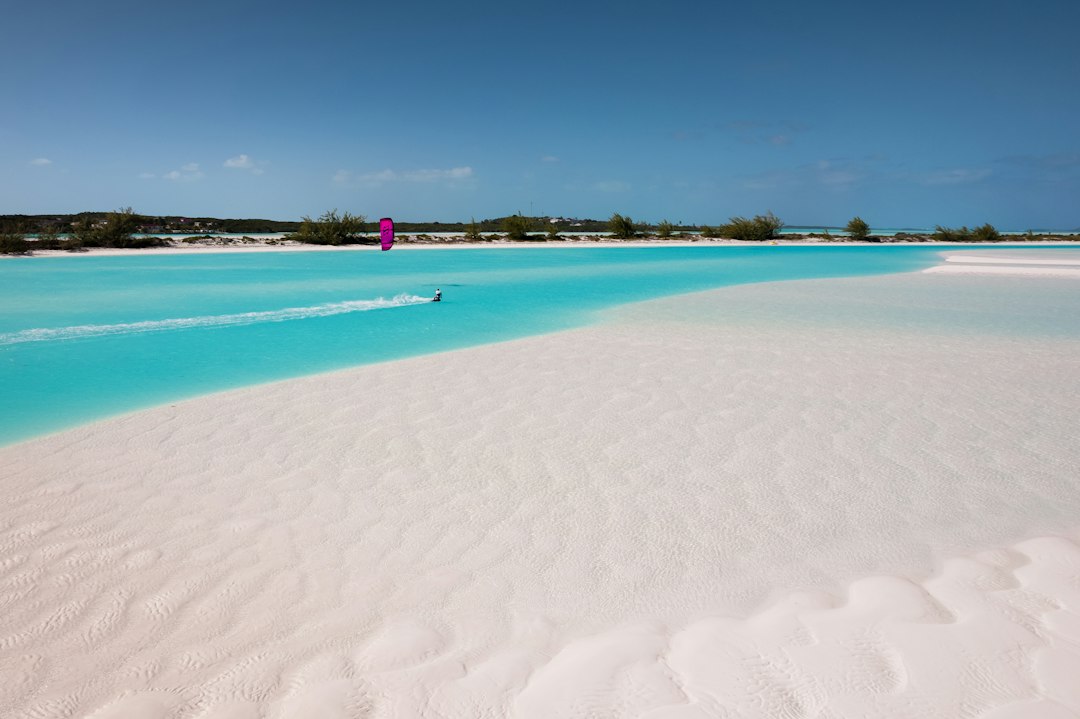 Photo by Nick Rickert on Unsplash
What’s Actually Happening With Bahamas Water Rescues in 2026
Bahamas water rescue teams — including the Royal Bahamas Police Force Marine Division and volunteer groups like Bahamas Air Sea Rescue Association (BASRA) — have responded to a steady stream of incidents this year. Most involve rip currents at unpatrolled beaches, snorkelers drifting from their groups, and jet ski or paddleboard mishaps near popular cruise ports.
The pattern matters more than any single headline. Rescues cluster around a few well-known spots: Cable Beach and Cabbage Beach on New Providence, Junkanoo Beach near the cruise terminal, and sections of Seven Mile Beach on Grand Bahama. These are beautiful, accessible beaches — and that’s exactly the problem. Easy access means crowds, and crowds mean more people in the water when conditions shift.
A key 2026 development: the Bahamas Department of Meteorology has been issuing more frequent rip current statements, and several beaches now post color-coded flag warnings (green, yellow, red, and the double-red “water closed” flag). If you see a red flag, it is not a suggestion. Stay out.
Bahamas Beach Warnings You Need to Know Before You Swim
Here’s what the warning system looks like on the ground, and what each flag actually means for you:
| Flag | Meaning | What You Should Do |
|---|---|---|
| Green | Calm conditions | Swim, but stay near a lifeguard |
| Yellow | Moderate surf/currents | Weak swimmers and kids stay shallow |
| Red | High surf, strong currents | Stay out — especially non-swimmers |
| Double Red | Water closed to public | Do not enter, no exceptions |
| Purple | Dangerous marine life (jellyfish) | Avoid water or wear protective gear |
Beyond flags, watch for these specific 2026 warnings:
- Rip current statements are now issued more regularly by the Department of Meteorology, especially September through November.
- Sargassum seaweed has been heavier than usual on some eastern-facing beaches this year, which can hide uneven bottom terrain.
- Post-storm surf lingers for days after a system passes. The water looks inviting but the undertow is real.
If a beach has no lifeguard, treat it as a red flag by default unless you’re a confident swimmer and have checked the day’s forecast.
Rip Currents: The Single Biggest Risk to Your Bahamas Vacation
Rip currents cause more beach drownings worldwide than sharks, jellyfish, and storms combined — and the Bahamas is no exception. They form when water piles up near shore and funnels back out through a gap, creating a fast channel moving away from the beach.
How to spot one: look for a gap in the breaking waves, darker or choppier water, or a line of foam or debris moving steadily seaward. If the surf looks calm in one spot while waves break on either side, that calm spot is often the rip.
What to do if you’re caught in one:
- Don’t fight it. You cannot outswim a rip current.
- Swim parallel to the shore until you exit the current’s pull.
- If you’re tired, float and let it carry you, then swim at an angle back to shore.
- Call for help and wave one arm if you see someone on the beach.
What to do if you see someone else caught: don’t swim out after them unless you’re a trained rescuer with a flotation device. Point, shout, and call 911 (the Bahamas emergency number) or flag a lifeguard.
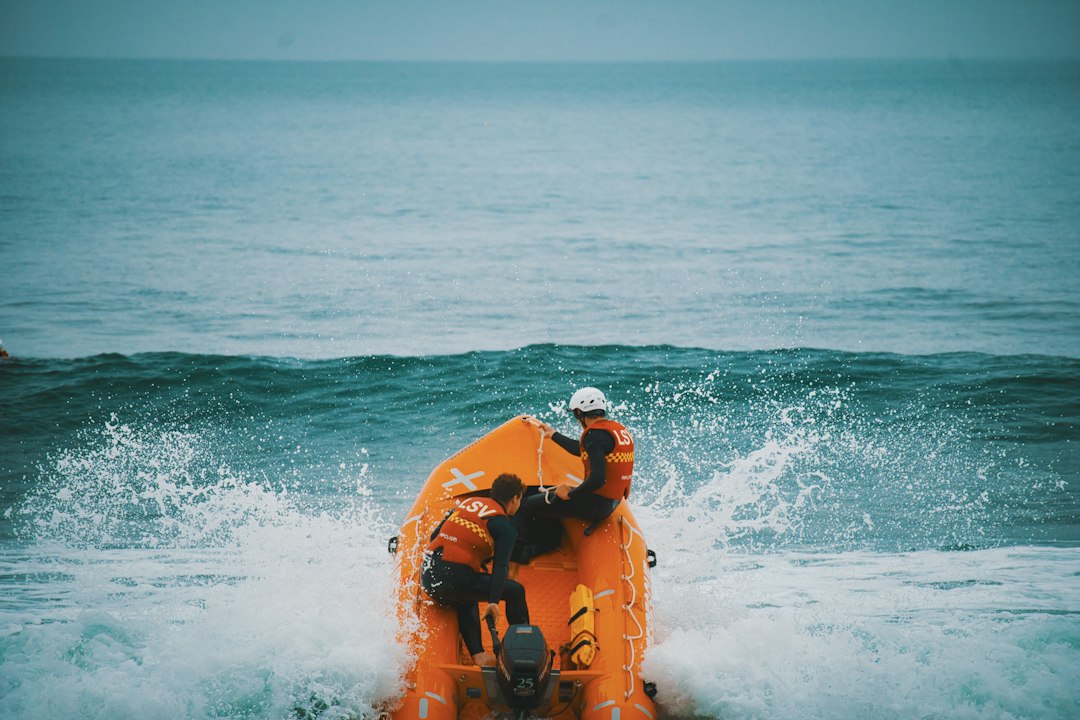 Photo by Enguerrand Photography on Unsplash
Snorkeling, Diving, and Boat Trip Safety
Snorkeling is where a lot of otherwise careful travelers get into trouble. The gear makes you feel invincible, but it also makes you hard to see and easy to drift.
- Never snorkel alone. Buddy up, and stay within sight of your boat or shore.
- Wear a bright rash guard or vest. It costs about $25–$40 and makes you visible to boat traffic.
- Check your operator. Reputable Bahamas snorkel and dive operators carry Bahamian tour licenses and provide life vests. If they don’t offer one, walk away.
- Watch the current, not just the fish. Drift snorkeling is fun but you need to know how you’ll get back.
For boat trips, confirm the vessel has a working radio, life jackets for everyone aboard, and a headcount policy. Small-group catamaran tours in Exuma and Abaco typically run $120–$180 per person for a half-day; the price is not where you should economize.
How to Protect Your Trip Financially
Water safety is one layer. Trip protection is the other. Here’s how the options compare:
| Protection Type | Typical Cost | Covers Water Rescues? | Best For |
|---|---|---|---|
| Travel medical insurance | $30–$80 per trip | Yes, emergency medical & evacuation | Everyone traveling abroad |
| Comprehensive travel insurance | $100–$250 per trip | Yes, plus trip cancellation | Trips over $2,000 |
| Medevac membership (e.g., air ambulance) | $150–$300/year | Yes, air transport to US hospitals | Frequent Caribbean travelers |
| Credit card trip protection | $0 (card perk) | Limited — check your terms | Budget travelers with the right card |
| Dive-specific insurance (e.g., DAN) | $40–$120/year | Yes, dive accidents & chamber treatment | Divers and snorkelers |
A note on medical evacuation: a medevac from the Out Islands to Nassau or Florida can run $15,000–$40,000 out of pocket. Travel medical insurance or a medevac membership is the single cheapest way to avoid that nightmare. A basic policy for a one-week Bahamas trip often costs less than a nice dinner.
If you’re booking activities, look for operators that include accident coverage in the price — many jet ski and parasailing vendors do, but you have to ask.
Pack These Water Safety Items
You don’t need much, but a few cheap items make a real difference. These are worth the luggage space:
- Coast Guard-approved flotation vest for kids (about $30–$50) — don’t rely on rental gear for little ones.
- Waterproof phone pouch ($10–$15) so you can call for help if needed.
- Reef-safe sunscreen (SPF 30+) — required in some marine parks and better for the reef anyway.
- A whistle on your snorkel or life vest. Sound carries over water far better than your voice.
AFFILIATE_LINK_[waterproof phone pouch]
AFFILIATE_LINK_[kids flotation vest]
AFFILIATE_LINK_[reef-safe sunscreen]
The Best Beaches for Safer Swimming
Not all Bahamas beaches are created equal when it comes to safety. If you want lifeguards and calmer water, prioritize these:
- Cabbage Beach, Paradise Island — popular, but strong currents; swim near the patrolled zone.
- Goodman’s Bay, New Providence — calmer, good for families, close to cruise port.
- Junkanoo Beach — convenient but busy; watch for boat traffic.
- Taino Beach, Grand Bahama — generally calmer on the leeward side.
- Exuma’s beaches — stunning but often unpatrolled; go with a guide or stick to shallow water.
The rule of thumb: the more remote and beautiful the beach, the less safety infrastructure exists. That’s not a reason to skip it — it’s a reason to go with a local guide, check the forecast, and never swim alone.
FAQ
Is it safe to swim in the Bahamas right now? Generally yes, at patrolled beaches with green or yellow flags. Check the day’s rip current statement, swim near lifeguards, and stay out when flags are red or double-red. Conditions change daily, so check each morning.
What is the emergency number in the Bahamas? Dial 911 for police, fire, and ambulance. For marine emergencies, the Royal Bahamas Defence Force and BASRA respond; your hotel or marina can reach them quickly.
Do I need travel insurance for a Bahamas trip? Strongly recommended. A basic travel medical policy costs $30–$80 and covers emergency treatment and evacuation, which can otherwise run into the tens of thousands. If you’re diving, add dive-specific coverage.
Are Bahamas beaches patrolled by lifeguards? Some are — mainly popular beaches on New Providence and Grand Bahama. Many Out Island beaches have no lifeguards at all. Assume no lifeguard unless you see one.
What should I do if I get caught in a rip current? Don’t fight it. Swim parallel to shore until you’re out of the pull, then swim back at an angle. If you’re exhausted, float and signal for help.
Is sargassum a problem in the Bahamas in 2026? It’s been heavier than usual on some eastern beaches this year. It’s not dangerous, but it can hide uneven bottom terrain and attracts small marine life, so shuffle your feet when wading.
The Bottom Line
Your Bahamas trip can be both unforgettable and safe. Check the flags, respect rip current warnings, never swim alone, and spend the $30–$80 on travel medical insurance before you go. The water is the whole point of the trip — treat it with the respect it deserves, and you’ll come home with stories instead of scars.
Affiliate disclosure: This article contains affiliate links. If you buy through them, Light Trip Notes may earn a small commission at no extra cost to you. We only recommend gear and coverage we’d use ourselves.
Last updated: 2026-10-24