The Bahamas is still one of the safest and most rewarding beach destinations in the Caribbean — but the viral rescue footage that flooded social feeds this year was a real reminder that the water here demands respect. Rip currents, sudden squalls, and reef drop-offs cause most incidents, not crime. If you plan around those three risks, use a local eSIM so you always have signal, and pick beaches that match your swimming ability, your trip will be as safe as it is beautiful.
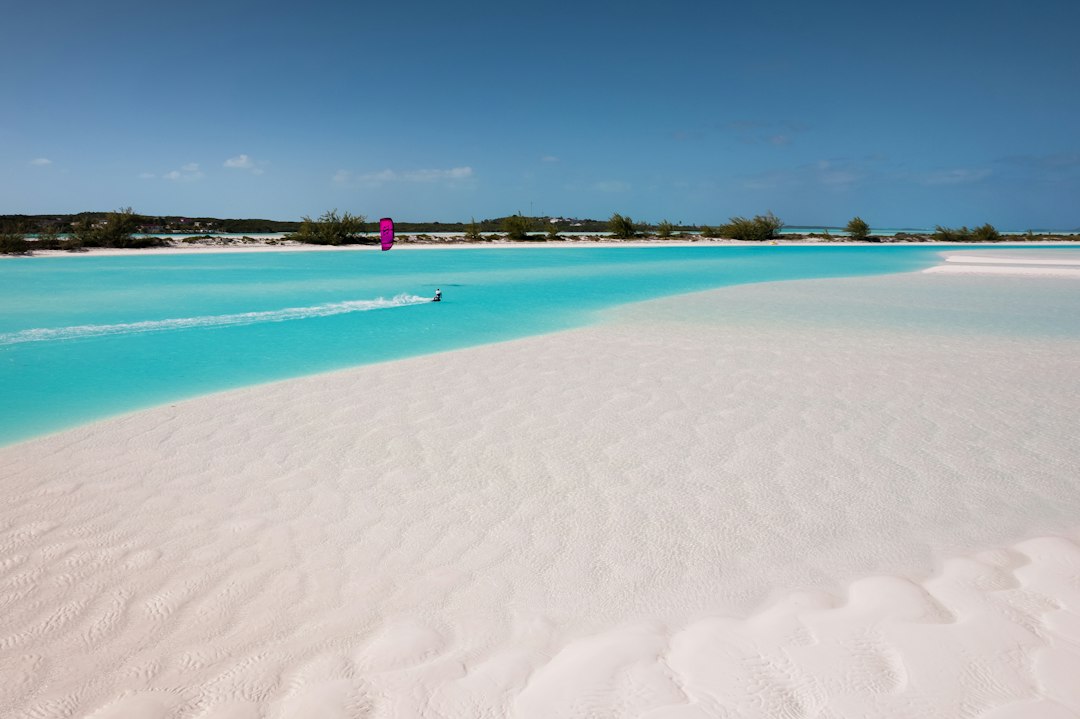 Photo by Nick Rickert on Unsplash
Why the Viral Rescue News Matters for Your Trip
The clips that went viral in 2026 showed tourists pulled from rough surf at a popular Nassau-adjacent beach during a fast-moving weather system. What the headlines missed: the swimmers ignored red flags posted that morning, and the group had no local SIM or working data to call for help quickly.
That’s the practical takeaway. Bahamas water incidents are overwhelmingly preventable, and they usually involve three failures — ignoring flag warnings, swimming at unpatrolled beaches, and having no reliable way to call 911 or reach the coast guard.
The Bahamas uses a flag system you should learn before you touch the sand:
- Green flag: calm conditions, normal caution.
- Yellow flag: moderate surf or currents — weak swimmers should stay near shore.
- Red flag: dangerous conditions, swimming prohibited.
- Purple flag: dangerous marine life (jellyfish, stingrays).
Red flags are not suggestions. Lifeguards on New Providence and Grand Bahama beaches will ask you to leave the water, and repeat refusals can get you escorted off the beach.
The Real Risks: Rip Currents, Reefs, and Weather
Rip currents are the number one killer of beachgoers in the Bahamas. They form around sandbars, piers, and reef gaps, and they pull you away from shore faster than most people can swim against. The escape is simple: swim parallel to the beach until the pull stops, then angle back in. Never fight it head-on.
Reef drop-offs catch snorkelers off guard. Water that’s waist-deep at the edge of a reef can fall to 30+ feet within a few strokes. If you’re not a confident swimmer, stay over sand or wear a flotation vest — most tour operators include them at no extra charge.
Weather turns fast here, especially June through November. Afternoon squalls can build in under 30 minutes, and hurricane season (June 1–November 30) brings the biggest risk. Check the Bahamas Department of Meteorology forecast each morning, and don’t treat a sunny 9 a.m. as a promise for 2 p.m.
Beach-by-Beach Safety Comparison
Not all Bahamas beaches are created equal for swimmers. Here’s how the main options stack up for a 2026 trip.
| Beach / Area | Island | Lifeguards | Current Risk | Best For | Watch Out For |
|---|---|---|---|---|---|
| Junkanoo Beach | New Providence | Seasonal | Low–moderate | Families, cruise passengers | Crowded, vendors, occasional red flags |
| Cable Beach | New Providence | Yes (hotel zones) | Low | Resort guests, calm swims | Stronger currents past the reef line |
| Goodman’s Bay | New Providence | Seasonal | Moderate | Locals’ favorite, picnics | Busy weekends, limited shade |
| Cabbage Beach | Paradise Island | Yes | Moderate–high | Strong swimmers, water sports | Powerful shore break, jet ski traffic |
| Gold Rock Beach | Grand Bahama | No | Low (calm days) | Snorkeling, photography | Remote, no facilities, tide-dependent |
| Tahiti Beach | Elbow Cay (Abaco) | No | Low | Seclusion, shallow sandbars | No services, bring water and shade |
| Pink Sands Beach | Harbour Island | No | Moderate | Long walks, scenery | Atlantic side, can get rough fast |
Junkanoo Beach is the easiest entry point if you’re on a cruise or staying in Nassau — calm water most days, lifeguards in season, and food stalls steps away. The trade-off is crowds and vendors; go before 10 a.m.
Cable Beach suits resort guests who want a patrolled, predictable swim. Currents pick up beyond the reef line, so stay inside the buoy markers.
Cabbage Beach is stunning but earns its reputation for a punchy shore break. It’s for confident swimmers only, and the jet ski traffic means you should keep your head up.
Gold Rock Beach and Tahiti Beach are the quiet alternatives — no lifeguards, no facilities, and often no one else around. Beautiful, but you’re on your own. Bring a buddy, a charged phone, and a plan.
eSIM Tips: Stay Connected So You Can Call for Help
This is the part most travelers skip, and it’s the exact gap that turned a scary moment into a viral one. A working local data connection means you can call 911 (the Bahamas emergency number), reach the coast guard, or share your location instantly.
Roaming with your home carrier typically runs $10–$15 per day in the Bahamas. A Bahamas eSIM usually costs $5–$20 for a trip-length plan, activates before you land, and keeps your regular number active for texts.
Airalo is the most reliable pick for the Bahamas — plans start around $9 for 1GB/7 days and go up to $26 for 5GB/30 days, and it runs on the local BTC network. Best for: most travelers who want set-and-forget coverage. Cons: data-only, so calls go through WhatsApp or your home line.
Holafly offers unlimited-data Bahamas plans at roughly $6–$7 per day (around $27 for 5 days). Best for: heavy users, remote workers, families sharing a hotspot. Cons: pricier for light users, and speeds can throttle after heavy use.
Nomad sits in the middle at about $11 for 1GB/7 days and $22 for 3GB/30 days. Best for: short trips where you want a cheap backup. Cons: smaller network footprint than Airalo.
Grab a plan before you fly: AFFILIATE_LINK_[AIRALO_BAHAMAS_ESIM]
Two practical notes. First, download the eSIM and test activation at home — airport Wi-Fi is not the place to troubleshoot. Second, save offline maps of your beach and a screenshot of your hotel address; data helps, but a dead battery doesn’t.
Safe Alternatives to the Viral Hotspots
If the rescue news made you rethink your beach list, these swaps keep the beauty and cut the risk.
Instead of Cabbage Beach, try Goodman’s Bay. You get a patrolled, calmer swim on New Providence with the same turquoise water, plus picnic tables and shade. It’s where locals actually go.
Instead of remote Atlantic beaches on windy days, head to the leeward side. On Harbour Island, the bay side is calm when Pink Sands is churning. Ask your hotel which side is sheltered that morning — they know.
Instead of DIY snorkeling, book a guided tour. Operators like Stuart Cove’s on New Providence run $65–$120 per person and include vests, briefings, and a boat crew watching the water. That supervision is the whole point.
Instead of swimming at unpatrolled beaches alone, use hotel beaches with lifeguards. Cable Beach and the Paradise Island resort beaches have patrols in peak season. The trade-off is crowds; the payoff is a faster response if something goes wrong.
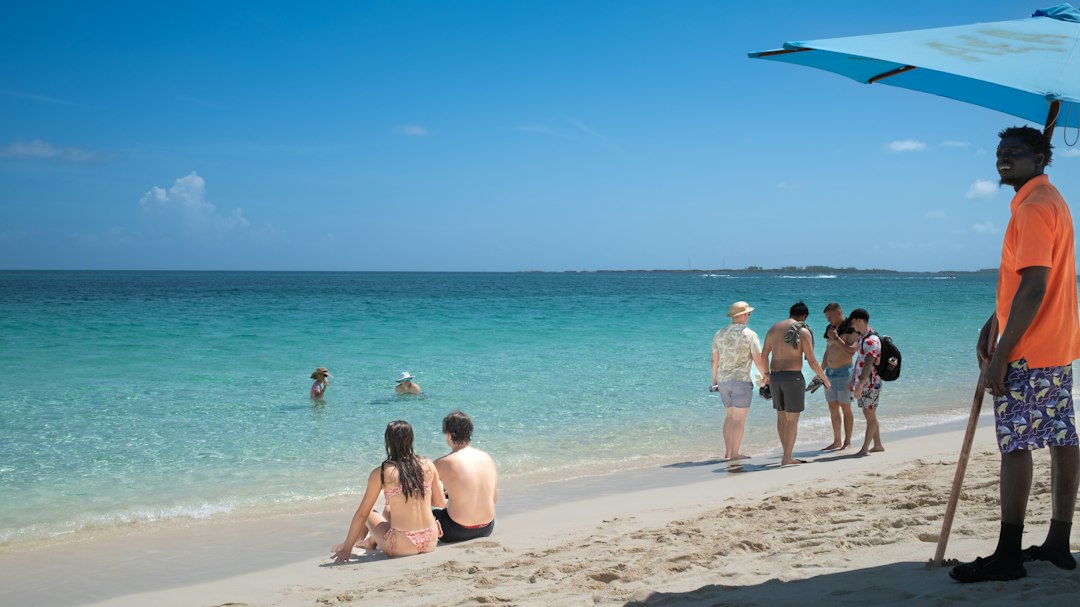 Photo by Frederick Wallace on Unsplash
What to Pack for Water Safety
A few cheap items meaningfully change your risk profile.
- A waterproof phone pouch ($10–$15) so your eSIM-equipped phone survives the beach.
- A compact flotation belt or vest ($25–$40) if you snorkel without a tour.
- Reef-safe sunscreen — required in some marine parks and better for the reefs you came to see.
- A portable charger ($20–$30) because a dead phone is a dead lifeline.
Pack these before you go: AFFILIATE_LINK_[WATERPROOF_PHONE_POUCH]
Costs and Timing for a 2026 Trip
October and early November are a sweet spot — post-hurricane-season calm, lower hotel rates (30–40% below winter peak), and warm water around 82°F. Winter (December–April) brings the best weather and the highest prices; a Nassau mid-range hotel runs $250–$400 per night in peak season versus $150–$250 in fall.
Daily budget for a careful traveler: $120–$200 for food and activities, $9–$26 for eSIM data, and $65–$120 for a guided snorkel or dive. Budget an extra $30–$50 for a taxi to a patrolled beach if you’re not staying on one.
FAQ
Is the Bahamas safe to swim in right now? Yes, on most days at most beaches — with the flag system as your guide. Check flags each morning, swim at patrolled beaches, and skip the water on red-flag days. The viral incidents involved ignored warnings, not unsafe destinations.
Do I need an eSIM in the Bahamas, or will my phone work? Your home carrier will work via roaming at roughly $10–$15 per day. A Bahamas eSIM at $9–$26 for the whole trip is cheaper and activates before you land. Either way, make sure you can call 911 before you get in the water.
Which Bahamas beach is safest for families? Junkanoo Beach and Cable Beach on New Providence are the safest bets — seasonal or year-round lifeguards, calm water most days, and facilities nearby. Avoid Atlantic-side beaches with young kids on windy days.
What should I do if I get caught in a rip current? Don’t fight it. Swim parallel to the shore until the pull releases, then swim diagonally back in. If you can’t make progress, float and signal for help — a raised arm is the universal distress signal.
When is hurricane season, and should I avoid it? June 1 through November 30. Late October and November are typically quieter, and travel insurance plus flexible bookings make fall trips reasonable. Check the forecast daily and have a backup plan for rough-water days.
The Bottom Line
The Bahamas rewards travelers who respect the water. Learn the flags, pick a patrolled beach or a guided tour, and sort your eSIM before you fly so help is one call away. Do those three things and the viral rescue footage becomes a cautionary tale about someone else’s trip — not yours.
Affiliate disclosure: This article contains affiliate links. If you buy through them, Light Trip Notes may earn a small commission at no extra cost to you. We only recommend gear and services we’d use ourselves.
Last updated: 2026-10-28