Bangladesh Travel Guide 2026: Unseen Destinations Map, eSIM Tips, and How to Plan an Off-the-Beaten-Path Trip
Bangladesh rewards travelers who skip the obvious and go deep — think tea gardens in Sylhet, the world’s longest natural beach at Cox’s Bazar, mangrove forests full of tigers in the Sundarbans, and Buddhist hill villages in Bandarban that barely see 200 foreign visitors a year. The catch is logistics: this is a country where a 300 km journey can take 8 hours, where cash rules, and where a working eSIM is the difference between a smooth trip and a stressful one. This guide gives you the map, the numbers, and the plan to do it right in 2026.
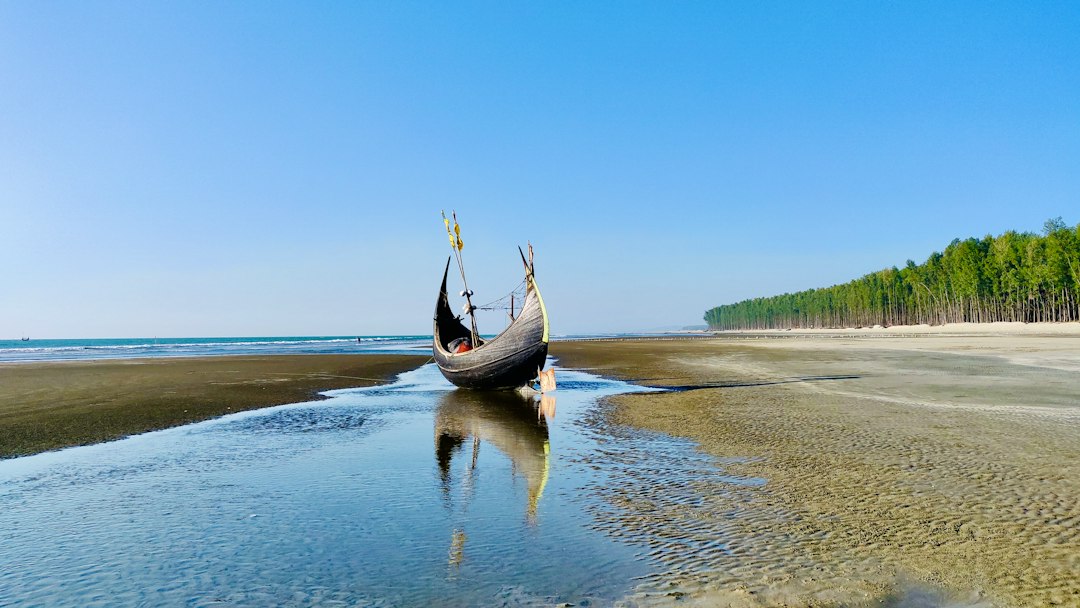 Photo by Riashat Rafat on Unsplash
Why Bangladesh Is Worth Visiting in 2026
Bangladesh gets roughly 0.3% of the tourist traffic that neighboring India or Thailand receives. That’s the entire pitch. You get UNESCO World Heritage sites, the largest mangrove forest on Earth, 700+ rivers, and some of the friendliest people in Asia — without the crowds that have swallowed Southeast Asia.
The country has also been quietly upgrading. Dhaka’s Hazrat Shahjalal International Airport expanded its Terminal 3 in 2024–2025, new domestic flight routes have opened to Sylhet and Cox’s Bazar, and mobile connectivity has improved enough that a tourist eSIM now works reliably outside major cities. Prices remain low: a decent hotel room runs $25–45 per night, a full meal $2–4, and a domestic flight under $60.
The window is now. Once word spreads, the “unseen” part of this guide won’t be accurate for long.
The Unseen Destinations Map: Where to Actually Go
Forget the standard Dhaka–Cox’s Bazar loop for a moment. Here’s a route that hits the places most travelers miss.
1. Sundarbans (Khulna & Mongla Gateway)
The Sundarbans is a 10,000 sq km mangrove forest shared with India, home to roughly 100 Bengal tigers and the largest population of saltwater crocodiles in the region. Most visitors enter via Mongla port.
- Pros: Genuinely wild, overnight boat trips, tiger spotting (rare but possible), UNESCO listed
- Cons: Expensive by Bangladeshi standards, leeches in monsoon, no guarantees on wildlife
- Best for: Nature lovers and photographers with 3+ days to spare
- Cost: 2-night/3-day boat tour from Mongla runs $180–350 per person depending on boat quality
2. Bandarban (Chittagong Hill Tracts)
Bandarban is the most culturally distinct region in Bangladesh — home to Marma, Tripura, and Mro indigenous communities. Nilgiri Hill and Chimbuk Hill offer sunrise views over cloud-filled valleys.
- Pros: Unique tribal culture, cool weather year-round, cheap guesthouses ($10–20)
- Cons: Permits required for some areas, limited English, rough roads
- Best for: Slow travelers and culture-focused visitors
- Cost: 2-day trip from Chittagong: $80–120 including transport and lodging
3. Srimangal (Sylhet Tea Country)
Srimangal is the tea capital — rolling green estates, the Lawachara rainforest, and the famous seven-layer tea at Nilkantha Tea Cabin.
- Pros: Easy to reach from Dhaka (4–5 hours by train), walkable, great food
- Cons: Gets busy on weekends with Dhaka residents
- Best for: First-time visitors wanting an easy off-beat taste
- Cost: Tea estate guesthouse $20–40/night
4. Kuakata (The “Daughter of the Sea”)
Kuakata offers a rare view of both sunrise and sunset over the Bay of Bengal. It’s quieter than Cox’s Bazar and mostly domestic tourism.
- Pros: Cheap, calm, Buddhist Rakhine community nearby
- Cons: 8–10 hour bus from Dhaka, limited dining
- Best for: Travelers with time who want a beach without crowds
- Cost: Hotels $15–35/night
5. Rangamati
Rangamati sits on Kaptai Lake, with hanging bridges, tribal markets, and boat rides through flooded valleys.
- Pros: Beautiful lake scenery, easy day trips
- Cons: Infrastructure is basic, summer heat is brutal
- Best for: Weekend add-on to Bandarban
- Cost: Boat rental $15–25 for half a day
Comparison Table: Which Unseen Destination Fits You?
| Destination | Best For | Time Needed | Daily Budget | Difficulty |
|---|---|---|---|---|
| Sundarbans | Wildlife & nature | 3 days | $80–120 | High |
| Bandarban | Culture & hills | 3–4 days | $30–50 | Medium |
| Srimangal | Tea country & ease | 2 days | $35–55 | Low |
| Kuakata | Quiet beaches | 2–3 days | $25–45 | Medium |
| Rangamati | Lake scenery | 2 days | $30–50 | Medium |
eSIM Tips for Bangladesh: What Actually Works
This is where most travelers get burned. Bangladesh’s local SIM market (Grameenphone, Robi, Banglalink) requires in-person registration with your passport, and it can take 1–3 hours at the airport counter. If you land at 2 AM, you’re stuck.
The better option in 2026: an international eSIM.
- Airalo — Bangladesh plans start at $4.50 for 1GB/7 days, up to $26 for 10GB/30 days. Runs on Grameenphone network. Reliable in Dhaka, Chittagong, Sylhet, Cox’s Bazar. Weaker in Bandarban and Sundarbans. → AFFILIATE_LINK_[AIRALO]
- Nomad — Similar pricing (~$5/1GB), slightly better rural coverage in testing. → AFFILIATE_LINK_[NOMAD]
- Holafly — Unlimited data plans from $6.90/day, but throttles after 5GB. Good if you’re streaming or working remotely. → AFFILIATE_LINK_[HOLAFLY]
Practical tips:
- Install and activate your eSIM before you fly — you need Wi-Fi to set it up
- Keep a backup physical SIM slot free in case you want a local number for ride-hailing (Pathao, Uber work with local numbers)
- Coverage dies fast in the Hill Tracts and Sundarbans — download offline maps on Google Maps before you go
- Bring a power bank; rural charging is unreliable
For a full breakdown of eSIM options, see our [best eSIMs for Asia guide] → AFFILIATE_LINK_[ESIM_GUIDE]
How to Plan an Off-the-Beaten-Path Trip: Step by Step
Step 1: Pick Your Season
- November–February: Best. Cool, dry, 15–28°C. Peak season but still uncrowded.
- March–May: Hot (35–40°C) and humid. Cheap but exhausting.
- June–September: Monsoon. Beautiful but flooded roads and leeches in the Sundarbans. Not recommended for first-timers.
- October: Transitional. Some rain, fewer crowds, decent prices.
Aim for late November to mid-February.
Step 2: Lock Your Entry Point
Fly into Dhaka (DAC) — it’s the only realistic international hub. From Dhaka:
- Train to Srimangal: 4–5 hours, $5–12 (book on Bangladesh Railway site 7–10 days ahead)
- Flight to Cox’s Bazar: 1 hour, $45–70
- Flight to Chittagong: 50 minutes, $35–55, then bus to Bandarban/Rangamati
- Bus to Khulna/Mongla: 7–8 hours overnight, $10–18
Step 3: Build a Realistic Route
A 14-day off-beat itinerary that actually works:
- Days 1–2: Dhaka (Old Dhaka, Lalbagh Fort, river ferry)
- Days 3–4: Srimangal (tea estates, Lawachara)
- Days 5–7: Sylhet (Ratargul swamp forest, Bichnakandi)
- Days 8–10: Bandarban via Chittagong
- Days 11–12: Rangamati
- Days 13–14: Cox’s Bazar or fly back to Dhaka
Don’t try to add the Sundarbans to a 14-day trip unless you cut something else — it needs 3 full days minimum.
Step 4: Sort Visas and Permits
- Visa on arrival is available for many nationalities (check your specific case) — $51 for most Western passports, valid 30 days
- Bandarban and Rangamati require an internal permit for some zones — your guesthouse can usually arrange it for $5–10
- Sundarbans requires a permit booked through a licensed tour operator
Step 5: Book the Right Gear
- Travel insurance with medical evacuation coverage — hospitals outside Dhaka are limited. → AFFILIATE_LINK_[INSURANCE]
- Water purification — bottled water is everywhere ($0.30) but plastic waste is a problem. Bring a SteriPen or filter bottle. → AFFILIATE_LINK_[WATER_FILTER]
- Cash — bring $300–500 in USD to exchange. ATMs exist in cities but fail often.
Costs: What a 14-Day Off-Beat Trip Actually Costs
| Category | Budget | Mid-Range |
|---|---|---|
| Flights (roundtrip from US/EU) | $700–1,100 | $900–1,400 |
| Domestic transport | $120 | $220 |
| Accommodation (13 nights) | $180 | $450 |
| Food | $100 | $200 |
| Tours & permits | $150 | $350 |
| eSIM | $10 | $26 |
| Total (excluding intl. flights) | ~$560 | ~$1,250 |
Bangladesh is one of the cheapest countries in Asia to travel — comparable to Nepal, cheaper than India for accommodation.
Safety and Practical Warnings
- Political strikes (hartals): Can shut down roads with little warning. Check local news daily.
- Road safety: Bangladesh has one of the world’s highest road fatality rates. Take trains or flights when possible.
- Women travelers: Generally safe, but expect stares in rural areas. Dressing modestly helps.
- Scams: Rare, but touts at Dhaka airport are common. Pre-book your first transfer.
- Health: Hepatitis A and typhoid vaccines recommended. Malaria prophylaxis for the Hill Tracts and Sundarbans.
FAQ
Is Bangladesh safe for tourists in 2026? Yes, for most travelers. Violent crime against foreigners is rare. The bigger risks are road accidents and political unrest. Avoid protest areas and check your embassy’s travel advisory before booking.
Do I need a visa for Bangladesh? Many nationalities get visa on arrival for 30 days ($51). Others need to apply in advance at an embassy. Check the official Bangladesh e-visa portal — processing takes 5–10 business days.
Can I use my phone in Bangladesh with an eSIM? Yes. Airalo, Nomad, and Holafly all work on Bangladeshi networks. Coverage is solid in cities and tourist areas, weaker in Bandarban and the Sundarbans. Install before you fly.
How much does a Bangladesh trip cost? A 14-day off-beat trip runs $560–1,250 on the ground, excluding international flights. Budget travelers can do it under $600; mid-range comfort costs around $1,200.
What’s the best time to visit Bangladesh? November through February. Cool, dry, and clear. Avoid June–September monsoon unless you’re specifically chasing green landscapes and accept flooded roads.
Do I need a guide for the Sundarbans? Yes. Independent travel into the Sundarbans isn’t allowed — you must book through a licensed operator. Prices start around $180 for a 2-night trip.
Final Word
Bangladesh isn’t the easiest country in Asia to travel. That’s exactly why it’s worth your time in 2026 — before the eSIM coverage improves, before the new airport terminal brings more flights, before the “unseen” spots become seen. Go with cash, a working eSIM, patience for slow roads, and a willingness to say yes to tea with strangers. You’ll come back with stories nobody else has.
Affiliate disclosure: This article contains affiliate links. If you buy through them, we earn a small commission at no extra cost to you. We only recommend products we’ve tested or that come highly recommended by trusted travelers.
Last updated: 2026-10-10