Canada Travel Advisory for the US and Mexico 2026: What the Latest Warning Means for Canadian Travelers
Canada’s updated 2026 advisories tell you to “exercise normal security precautions” in the US and “exercise a high degree of caution” in much of Mexico — but the real story is in the details. The US advisory now flags immigration enforcement, border detention rules, and a patchwork of state gun laws, while Mexico’s advisory keeps six states under “avoid all non-essential travel.” Here’s what actually changed, which regions are affected, and how to plan a trip that isn’t derailed by a headline.
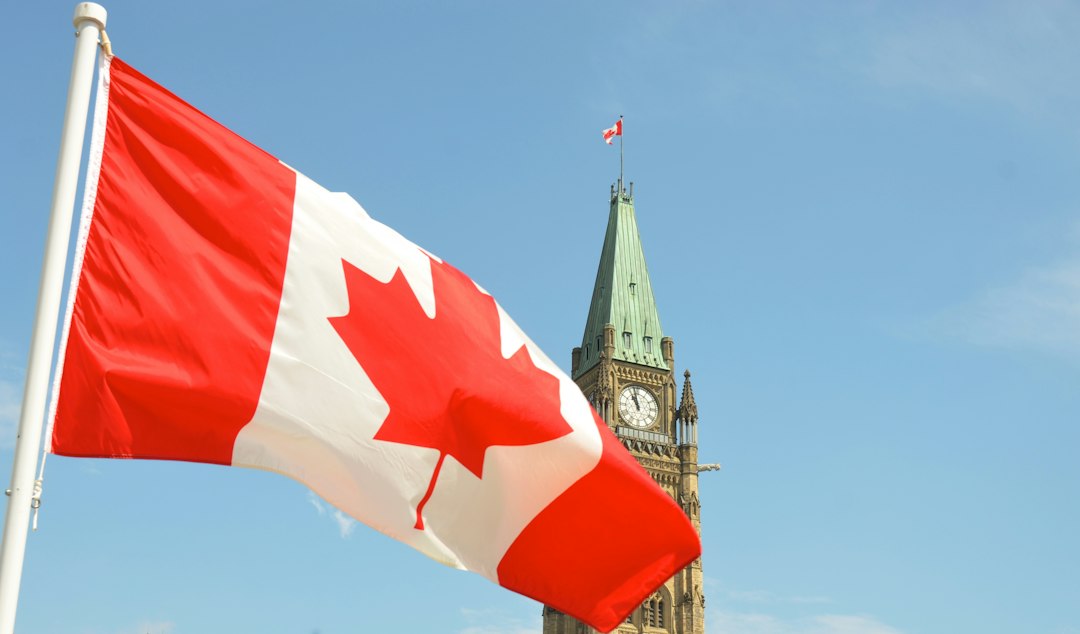 Photo by Jason Hafso on Unsplash
The Short Version: What Canada Is Actually Telling You
The Government of Canada’s travel advisory site ranks destinations on a four-level scale: take normal security precautions, exercise a high degree of caution, avoid non-essential travel, and avoid all travel. As of October 2026, the US sits at Level 1 for most travelers, and Mexico sits at Level 2 nationally with Level 3 and Level 4 pockets.
That sounds simple. It isn’t. The US entry is unusually long this year because of changes to how American border agents handle Canadian visitors, and Mexico’s regional warnings shift month to month as cartel activity moves. Read the advisory for the specific state or city you’re visiting, not the country as a whole.
One more thing worth knowing: Canada’s advisories are guidance, not bans. They don’t stop you from traveling, and they don’t automatically trigger insurance payouts. What they do is shape how insurers, tour operators, and employers treat your trip — which matters more than most travelers realize.
Canada’s US Travel Advisory in 2026: What Changed
The US advisory has historically been a formality for Canadians. That’s no longer quite true. Three things are driving the update this year.
Immigration enforcement at land borders. Canadian citizens can still visit the US for up to six months without a visa, but US Customs and Border Protection has tightened documentation checks at land crossings. Officers are asking more questions about purpose of stay, return plans, and proof of ties to Canada. Carry your passport (not just a Nexus card), a return itinerary, and proof of employment or a lease if you’re staying more than a few weeks.
Secondary inspection and device searches. Reports of Canadians being pulled into secondary inspection — and in some cases having phones searched — have increased. You’re not required to unlock a device, but refusing can lead to denied entry. If you travel with sensitive work data, consider a clean device or a wiped phone.
State-level risk, not national risk. Canada’s advisory specifically calls out higher crime rates in certain US cities and the prevalence of firearms. It also notes that US healthcare costs are extremely high and that your provincial health plan covers almost nothing abroad. A broken arm in Florida can run $15,000–$40,000 USD.
The overall US rating stays at “take normal security precautions,” which is the lowest level. That’s Canada’s way of saying: go, but be a competent adult about it.
Canada’s Mexico Travel Advisory in 2026: The Regional Breakdown
Mexico is where the advisory actually earns its keep. The national rating is “exercise a high degree of caution,” but six states carry an “avoid all non-essential travel” warning, and several more are flagged for specific regions.
| Region | Advisory Level | What It Means for You |
|---|---|---|
| Mexico City | Exercise high degree of caution | Petty crime, express kidnappings in taxis; stick to Uber or hotel taxis |
| Quintana Roo (Cancún, Tulum, Playa del Carmen) | Exercise high degree of caution | Tourist zones are heavily policed; cartel violence exists but rarely touches resort corridors |
| Baja California Sur (Los Cabos, La Paz) | Exercise high degree of caution | Generally safe for tourists; highway robberies reported on isolated routes |
| Sinaloa (Mazatlán, Culiacán) | Avoid non-essential travel | Active cartel conflict; Mazatlán cruise port has seen sporadic incidents |
| Guerrero (Acapulco, Zihuatanejo) | Avoid non-essential travel | Acapulco has one of Mexico’s highest homicide rates |
| Tamaulipas (border region) | Avoid all travel | Kidnapping and armed robbery targeting travelers |
| Michoacán | Avoid non-essential travel | Cartel checkpoints on highways; stick to federal toll roads |
| Oaxaca | Exercise high degree of caution | Tourist areas fine; rural routes and protests can disrupt travel |
The pattern is consistent: resort corridors and tourist zones are generally well-protected, while rural highways, border regions, and specific cartel-contested states are not. Your Cancún all-inclusive is a different risk profile than a road trip through Sinaloa.
 Photo by Tim Mossholder on Unsplash
What the Advisory Means for Your Insurance
This is the part most travelers get wrong. Travel insurance policies often exclude claims if you travel against a government advisory — but the wording matters enormously.
Level 1 and Level 2 advisories (US and most of Mexico) almost never void standard policies. You’re covered for medical emergencies, trip cancellation, and baggage loss as normal.
Level 3 advisories (“avoid non-essential travel”) are the gray zone. Some insurers still cover you; others exclude claims related to the reason for the advisory. Read the fine print before booking a trip to Guerrero or Sinaloa.
Level 4 advisories (“avoid all travel”) typically void coverage entirely. If you go to Tamaulipas and get hurt, expect to pay out of pocket.
For a two-week Mexico trip, a solid policy from a Canadian provider like Manulife, Allianz, or TuGo runs roughly $60–$120 CAD per person depending on age and coverage limits. For the US, where medical costs are the real risk, budget $80–$150 CAD for the same duration. A policy with $500,000 in emergency medical coverage is the minimum I’d recommend for the US — $1 million if you’re over 60.
[AFFILIATE_LINK_TRAVEL_INSURANCE]
Three Coverage Options Worth Comparing
If you’re weighing insurance for a US or Mexico trip, these are the three tiers most Canadians end up choosing between.
1. Single-trip emergency medical (best for one-off trips)
- Pros: Cheap ($60–$150 CAD), covers the essentials, easy to buy last-minute
- Cons: No cancellation coverage unless you add it, no annual flexibility
- Best for: A single week in Cancún or a long weekend in New York
2. Annual multi-trip plan (best for frequent travelers)
- Pros: Covers unlimited trips up to 15–30 days each, pays for itself after 2–3 trips, often includes trip interruption
- Cons: Higher upfront cost ($200–$400 CAD/year), per-trip day limits
- Best for: Snowbirds, business travelers, anyone crossing the border more than twice a year
3. Credit card travel insurance (best for minimalists)
- Pros: Already included with many premium cards (Scotiabank Passport, TD First Class, Amex Platinum), no extra cost
- Cons: Coverage limits are lower, age restrictions kick in around 65, pre-existing condition rules are strict
- Best for: Short trips where you’re already paying for a premium card
[AFFILIATE_LINK_ANNUAL_INSURANCE]
Practical Safety Tips for the US in 2026
A few things I’d actually do before crossing the border this year.
Carry a physical passport. Nexus and Enhanced Driver’s Licenses work at land crossings, but if you’re flying or hit secondary inspection, a passport removes friction. Renew it now if it expires within six months.
Know your US health coverage gap. Provincial plans reimburse a tiny fraction of US medical bills. Buy standalone emergency medical coverage even for a weekend trip. A single ER visit for a minor issue can exceed $5,000 USD.
Don’t carry cannabis across the border. It’s legal in many US states and federally legal in Canada, but US federal law still treats it as a controlled substance. Border agents can deny you entry for life for admitting to cannabis use. This is not a theoretical risk.
Watch your phone at the border. You’re not obligated to unlock it, but refusal can mean denied entry. If your work device has sensitive data, travel with a personal phone instead.
Register with ROCA. Global Affairs Canada’s Registration of Canadians Abroad program sends you alerts if something happens in your area. It takes two minutes and it’s free.
Practical Safety Tips for Mexico in 2026
Mexico rewards a bit of planning. These are the moves that matter.
Fly into tourist hubs, don’t drive the interior. Cancún, Puerto Vallarta, Los Cabos, and Mexico City all have well-policed tourist corridors. Driving between states on rural highways is where most incidents happen.
Use Uber or hotel taxis, never street taxis. Express kidnappings — where a driver takes you to ATMs and forces withdrawals — remain a real risk in Mexico City and Guadalajara. Uber’s tracking removes most of that risk.
Stick to toll roads (cuotas) if you do drive. Federal toll highways have more police presence and better lighting than free alternatives (libres). The extra cost is worth it.
Don’t flash expensive jewelry or watches. Petty theft is the most common crime against tourists. Leave the Rolex at home.
Check the advisory for your specific state the week before you fly. Cartel activity shifts. Sinaloa’s rating has moved twice in the past 18 months.
[AFFILIATE_LINK_MEXICO_ESIM]
Should You Cancel Your Trip?
Almost certainly not, unless you’re heading to a Level 4 region. Cancún, Mexico City, Los Cabos, and every major US city remain perfectly viable destinations for Canadian travelers in 2026.
The advisory system exists to inform, not to scare. Millions of Canadians will visit the US and Mexico this winter without incident. The travelers who get into trouble are usually the ones who ignored the regional warnings, drove rural highways at night, or skipped insurance to save $80.
If you’re going to a Level 3 state like Sinaloa or Guerrero, ask yourself whether the trip is worth the insurance gap. If it is, book through a tour operator with local knowledge and ground transport included. If it isn’t, there are a dozen other Mexican states with the same beaches and better safety profiles.
FAQ: Canada Travel Advisory Questions Travelers Actually Ask
Does Canada’s US advisory mean I shouldn’t go? No. The US is at Level 1, the lowest advisory tier. Canada is flagging specific issues — immigration enforcement, healthcare costs, gun laws — not telling you to stay home. Millions of Canadians cross the border every year without problems.
Is Cancún safe in 2026? Yes, with normal precautions. Quintana Roo is at “exercise a high degree of caution,” the same level as most of Mexico. The hotel zone and tourist corridors are heavily policed. Avoid buying drugs, don’t wander off the resort strip at night, and use Uber instead of street taxis.
Will my travel insurance cover me if I go to a Level 3 region? It depends on the insurer. Some policies exclude claims related to the reason for the advisory; others cover you fully. Call your provider before booking and get the answer in writing. Don’t assume.
Do I need a visa to visit the US or Mexico as a Canadian? No visa for either country for stays under six months (US) or 180 days (Mexico). You need a valid passport. For the US, an ESTA isn’t required for Canadian citizens arriving by land or air, but you’ll need a passport or approved alternative document.
What happens if I’m detained at the US border? You have the right to remain silent, but not the right to a lawyer during primary inspection. If you’re sent to secondary, you can ask to withdraw your application for entry and return to Canada. Global Affairs Canada can provide consular assistance but cannot get you into the US.
Is it worth buying travel insurance for a weekend trip to the US? Yes. A single ER visit for a sprained ankle can cost $3,000–$8,000 USD. A $40 CAD weekend policy is the cheapest peace of mind you’ll buy all year.
The Bottom Line
Canada’s 2026 advisories are more detailed than usual, but the practical takeaway is unchanged: the US and most of Mexico are safe for Canadian travelers who plan properly. Avoid the Level 3 and Level 4 regions, buy emergency medical insurance for the US, use Uber in Mexican cities, and check the advisory for your specific destination the week before you fly.
The travelers who get burned are the ones who treat a national advisory as the whole story. Read the regional notes. They’re where the real information lives.
[AFFILIATE_LINK_TRAVEL_INSURANCE]
Disclosure: This article contains affiliate links. If you buy travel insurance or an eSIM through the links above, Light Trip Notes may earn a small commission at no extra cost to you. We only recommend products we’d use ourselves.
Last updated: 2026-10-12