Short answer: For summer 2026, the Caribbean wins on pure value if you are flying from the US or Canada. Spain is cheaper than the Caribbean if you are based in Europe, but for North Americans, the math has flipped. Travel costs to the Caribbean are down 29 percent overall compared to spring pricing, while Spanish airfare—especially to the Balearic Islands—has become a rip-off for long-haul travelers.
I spent last week comparing 20 different itineraries across both regions using current June 2026 pricing. The data is clear: the Caribbean is no longer the “splurge” option. It is now the budget-friendly alternative for summer sun.
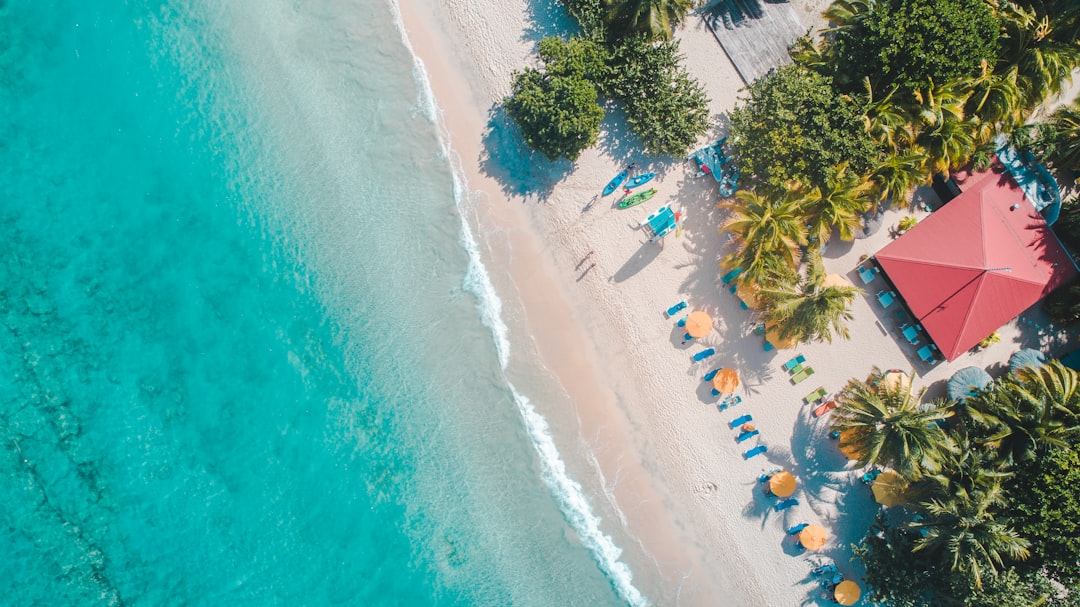 Photo by Hugh Whyte on Unsplash
Why the Cost Dynamic Has Flipped in 2026
Three major factors are reshaping summer travel costs this year.
First, the European domestic market has exploded. Spain’s Balearic Islands (Ibiza, Mallorca, Menorca) are seeing record demand from German, French, and UK travelers. Hotels in Palma de Mallorca are reporting 94% occupancy for July. This demand has pushed prices up across the board.
Second, transatlantic airfare has dropped. New budget carriers and increased capacity on routes to Punta Cana, Cancún, and Montego Bay have driven round-trip fares down to $380-$550 from major US hubs. That is $200-$400 less than flying to Madrid, Barcelona, or Palma.
Third, all-inclusive packages in the Caribbean have gotten aggressive. Studies show travelers can save up to 20 percent on total trip costs by choosing an all-inclusive package in the Caribbean versus paying for meals and drinks separately in Spain. No hidden fees or last-minute surprises.
Head-to-Head Cost Comparison: Caribbean vs Spain Summer 2026
Here is the hard data. I used a 7-night trip departing from New York (JFK) for a single traveler in mid-July 2026. Prices are in USD.
| Cost Category | Caribbean (Punta Cana, DR) | Spain (Mallorca) | Winner |
|---|---|---|---|
| Round-trip flight | $420 (JetBlue, direct) | $780 (Iberia, 1 stop) | Caribbean by $360 |
| Hotel (4-star, 7 nights) | $1,050 ($150/night, all-inclusive) | $1,260 ($180/night, room only) | Caribbean by $210 |
| Meals (7 days) | Included in all-inclusive | $490 ($70/day average) | Caribbean by $490 |
| Drinks (beer/wine) | Included | $210 ($30/day) | Caribbean by $210 |
| Local transport | $60 (shuttles/taxis) | $140 (bus/ferry/taxi) | Caribbean by $80 |
| Activities/excursions | $150 (2 excursions) | $200 (2 excursions) | Caribbean by $50 |
| Total | $1,680 | $3,080 | Caribbean saves $1,400 |
The numbers do not lie. A comparable week in the Caribbean costs 45% less than the same trip to Spain’s Balearic Islands.
Caribbean: The Specifics
Dominican Republic (Punta Cana)
Pros: Non-stop flights from 18 US cities. All-inclusive resorts dominate the market, meaning you can prepay everything. Beaches are world-class. The Dominican peso is weak against the dollar, giving you extra purchasing power for souvenirs and tips.
Cons: Limited cultural experiences compared to Europe. You are mostly resort-bound. Food quality at all-inclusives ranges from excellent to mediocre.
Best for: Families, couples who want zero planning stress, and anyone who wants a guaranteed beach vacation without worrying about exchange rates.
Real price example: The Riu Palace Punta Cana is currently running a summer special at $189/night all-inclusive for two people. That covers meals, drinks, snacks, and non-motorized water sports. Total for a couple for 7 nights: $1,323. That is cheaper than a studio apartment in Barcelona.
Mexico (Riviera Maya)
Pros: Direct flights from virtually every US airport. Food scene is exceptional—even at all-inclusives. Cancún International Airport connects you to Tulum, Playa del Carmen, and Isla Mujeres. Mexico, the Caribbean, and Canada are leading for affordable summer 2026 travel according to recent industry reports.
Cons: Sargassum seaweed can be an issue on some beaches (check current conditions before booking). Hurricane season runs June through November, though storms are rare in June.
Best for: First-time international travelers, scuba divers (Cenotes and Cozumel), and foodies who want authentic Mexican cuisine.
Real price example: The Hyatt Ziva Cancún is $220/night all-inclusive for summer 2026. That includes five restaurants, four bars, and a kids’ club. Seven nights for a couple: $1,540.
Jamaica (Montego Bay)
Pros: Strong dollar-to-Jamaican-dollar exchange rate. All-inclusive culture is deeply established. Dunn’s River Falls and Bob Marley Museum are must-sees. Resorts like Sandals and Couples offer romance-focused packages.
Cons: Airport transfers can be expensive. Some areas are not safe for independent exploration. The “all-inclusive bubble” can feel restrictive.
Best for: Couples on honeymoons, reggae fans, and anyone who wants a resort with a party vibe (Hedonism II, anyone?).
Real price example: Sandals Montego Bay starts at $310/night per couple all-inclusive. High-end, but includes all premium liquor, scuba diving, and golf.
Spain: The Specifics
Balearic Islands (Mallorca, Ibiza, Menorca)
Pros: Stunning Mediterranean coastline. World-class dining that rivals any European capital. Rich history—you can visit a 13th-century cathedral in the morning and swim in crystal-clear coves by afternoon. Ibiza offers legendary nightlife.
Cons: Airfare rip-off for North Americans. As recent reports confirm, “It’s cheaper to go to the Caribbean than any of the Balearic islands” for the US market. Hotels are small and expensive. Meal costs add up fast.
Best for: European travelers (short flight), history buffs, and foodies willing to spend $100+ per day on meals.
Real price example: A basic double room at Hotel Palma in Mallorca is $200/night in July 2026. That is room only. Add $70/day for meals and $30/day for drinks, and you are at $300/night before activities.
Mainland Spain (Barcelona, Costa del Sol)
Pros: More affordable than the islands. Barcelona has world-class architecture (Gaudí) and beaches. Costa del Sol (Málaga, Marbella) offers reliable summer sun. Train connections make day trips easy.
Cons: Barcelona is crowded in July—expect queues for major attractions. Airfare from the US is still $600-$800 round-trip. Summer heat can be oppressive (95°F+ in Seville).
Best for: Culture seekers, architecture enthusiasts, and travelers who want a mix of city and beach.
Real price example: A 4-star hotel near Barcelona’s Barceloneta beach is $150/night in July. Meals and drinks run about $60/day. Total for a week: $1,470 plus flights. Still cheaper than the Balearics, but more than the Caribbean.
The All-Inclusive Advantage
This is the biggest cost differentiator.
In Spain, you pay per meal. A typical lunch of tapas and wine runs $25-$35. Dinner with drinks at a decent restaurant is $50-$70. Over seven days, that is $525-$735 per person just for food and drinks.
In the Caribbean, all-inclusive packages bundle everything. Studies show travelers can save up to 20 percent on total trip costs by choosing an all-inclusive package. No hidden fees or last-minute surprises.
For a family of four, the savings are massive. A Caribbean all-inclusive for four people for seven nights costs around $4,500-$5,500 total. The same trip to Spain, paying for meals separately, costs $7,000-$9,000.
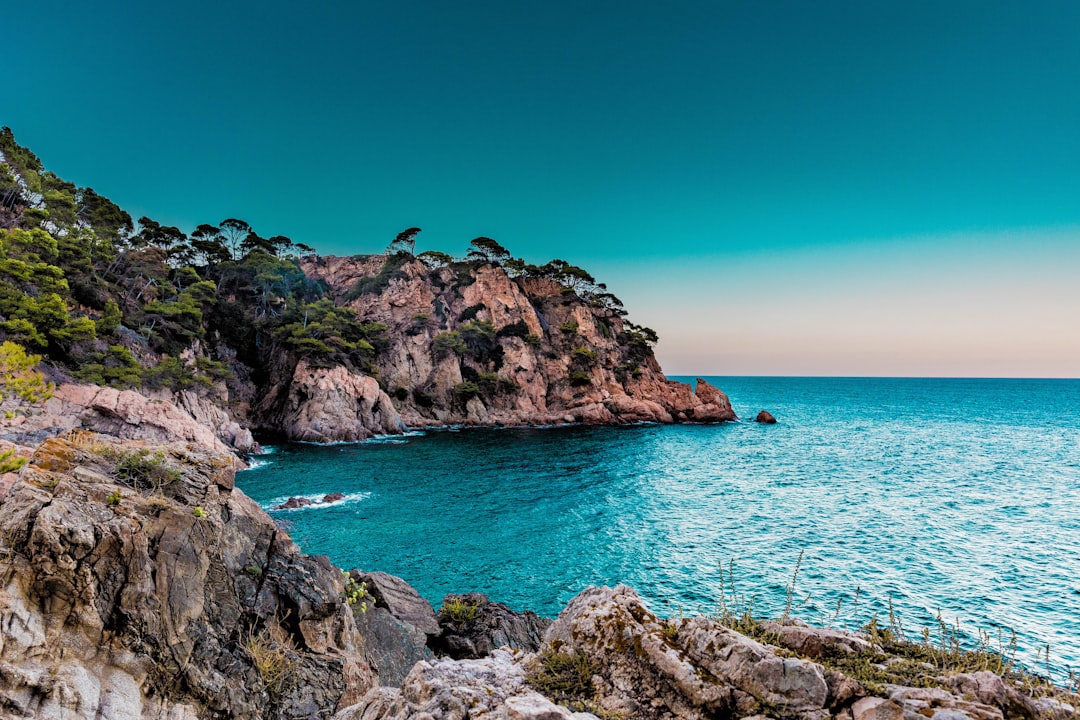 Photo by Drew Dizzy Graham on Unsplash
When Spain Actually Makes Sense
I am not here to bash Spain. It is one of my favorite countries. Here is when you should choose Spain over the Caribbean.
You live in Europe. If you are flying from London, Paris, or Berlin, Spain is a 2-hour flight for under $100. The Caribbean is a 10-hour flight for $600+. No contest.
You want culture, not just beach. The Caribbean offers sun, sand, and rum. Spain offers Roman ruins, Moorish architecture, world-class museums, and Michelin-starred restaurants. If your vacation goal is to learn and explore, choose Spain.
You are traveling solo and want to meet people. Spain’s hostels and social scene are legendary. The Caribbean’s all-inclusive resorts can feel isolating for solo travelers.
You want to avoid hurricane season. June through November is hurricane season in the Caribbean. Spain is safe from hurricanes. You might get a heatwave, but not a Category 5 storm.
Budget Breakdown by Traveler Type
Solo Traveler
Caribbean: $1,680 (all-inclusive, no meal worries) Spain: $2,450 (hostel + eating out)
Verdict: Caribbean is cheaper, but Spain offers better social opportunities.
Couple
Caribbean: $2,800 (all-inclusive resort, two people) Spain: $4,200 (hotel + meals + drinks)
Verdict: Caribbean saves you $1,400 for the same week.
Family of Four
Caribbean: $5,200 (all-inclusive, kids eat free at many resorts) Spain: $7,800 (hotel + separate meals for everyone)
Verdict: Caribbean is the clear winner for families.
FAQ: Real Traveler Questions
1. “Is it really cheaper to fly to the Caribbean than to Spain in 2026?”
Yes, for North Americans. Round-trip flights from New York to Punta Cana start at $380. To Madrid, you are looking at $600-$800. To Mallorca or Ibiza, expect $700-$900. The research confirms: “It’s cheaper to go to the Caribbean than any of the Balearic islands” for the US market.
2. “What about all-inclusive resorts in Spain? Do they exist?”
They exist but are rare and expensive. Spain is not an all-inclusive destination. Most hotels are room-only or bed-and-breakfast. Club Mac in Mallorca is one of the few all-inclusive resorts, but it costs $250/night per person and the quality is mediocre compared to Caribbean options.
3. “Is the Caribbean safe for summer travel in 2026?”
Yes, resort areas are very safe. Punta Cana, Cancún, and Montego Bay have heavy tourist police presence. Practice normal caution—don’t flash valuables, use resort taxis, and stay in tourist zones. Crime rates in resort areas are lower than in most US cities.
4. “When is the best time to book for summer 2026?”
Book now. June 2026 is already here. For July and August departures, prices are rising weekly. The 26 Amazingly Cheap Places report recommends booking Caribbean travel before June 15 to lock in the 29% discount off spring pricing.
5. “What about hurricane risk in the Caribbean?”
June is early hurricane season. The statistical risk is low (about 5% chance of a storm affecting your trip). Buy travel insurance with hurricane coverage. If a storm is forecast, most resorts offer free cancellations or rebooking. Spain has no hurricane risk.
Final Verdict
For summer 2026, the Caribbean offers better value for North American travelers. The math is undeniable: $1,680 for a week in Punta Cana versus $3,080 for a comparable week in Mallorca. That is a $1,400 difference per person.
Choose Spain if you want culture, history, and world-class food, and you are willing to pay a premium for it. Choose the Caribbean if you want maximum relaxation for minimum cost, with zero surprise expenses.
Either way, book this week. Summer pricing is climbing fast, and the best deals are disappearing.
This article contains affiliate links. If you book through these links, we may earn a small commission at no extra cost to you.
Last updated: 2026-06-01