Short answer: TSA PreCheck is the better deal for most travelers in 2026. It costs $78 for five years (about $15.60 per year), gets you into the dedicated PreCheck lane at 200+ US airports, and lets you keep your shoes, belt, and light jacket on while leaving your laptop in your bag. Clear costs $199 per year and doesn’t replace PreCheck — it just moves you to the front of whatever line you’re already in. If you fly more than three or four times a year and your home airport has chronic security chaos, Clear is a nice add-on. If you’re a normal leisure traveler prepping for fall trips, PreCheck alone is the move.
Here’s the full breakdown, including how to enroll at an airport in under 20 minutes, what the current prices actually are, and where each program falls apart.
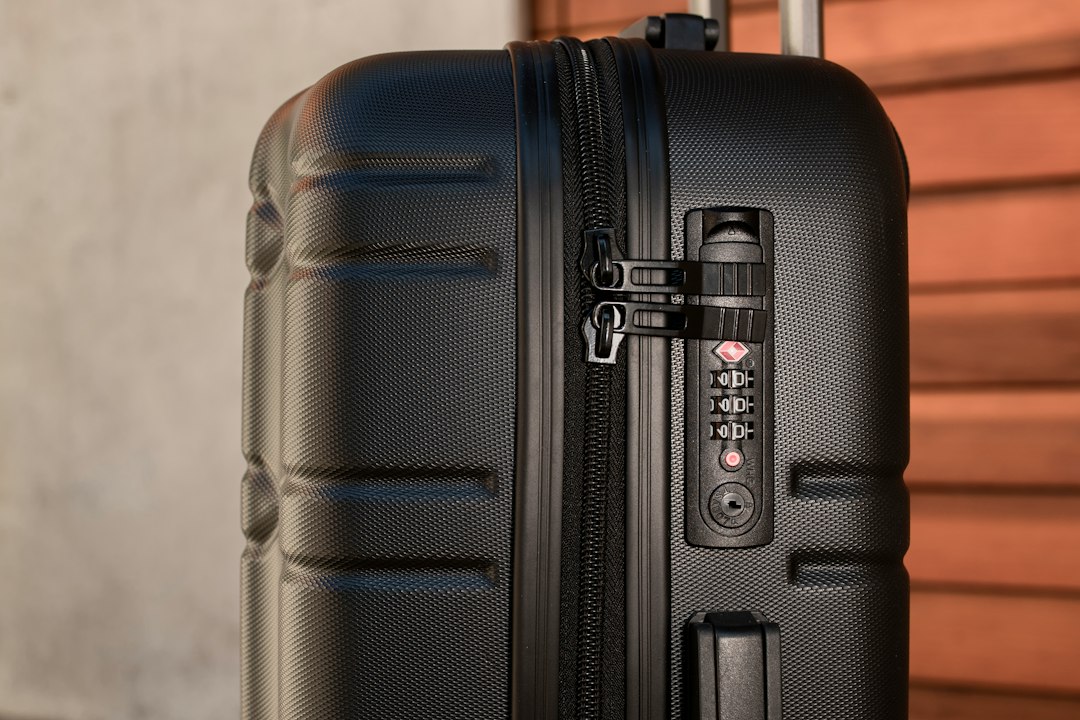 Photo by American Green Travel on Unsplash
Why This Matters Right Now
Fall 2026 travel is shaping up to be heavy. Airlines have been adding capacity on domestic routes, remote-work schedules have flattened the traditional post-Labor Day drop-off, and the TSA is still projecting passenger volumes near record levels through Thanksgiving.
Translation: the security line at 6 a.m. on a Monday in October is not going to be the quiet, breezy experience you remember from 2019. Getting into PreCheck before your fall trips — or deciding Clear is worth the premium — is a decision you want to make in September, not the night before your flight.
There’s also a practical wrinkle. TSA PreCheck enrollment centers at airports have been running tighter appointment windows since the program’s popularity spiked, and walk-in availability varies wildly by location. If you’re flying in the next four to six weeks, you need to know which enrollment path gets you approved fastest.
TSA PreCheck vs. Clear: The Real Comparison
These two programs get lumped together constantly, and that’s the source of most traveler confusion. They are not competitors in the way people think.
| Feature | TSA PreCheck | Clear |
|---|---|---|
| Cost | $78 for 5 years ($56 renewal) | $199 per year |
| What it does | Dedicated screening lane, no shoe/belt/laptop removal | Identity verification that skips you to the front of any line |
| Replaces the other? | No | No — you still need PreCheck or standard screening |
| Where it works | 200+ US airports, 90+ airlines | ~65 US airports |
| Enrollment | Online application + in-person visit | In-person at airport kiosks or enrollment pods |
| Approval time | Usually 3–5 days, can take up to 60 | Same day (enrolled on the spot) |
| Best for | Almost every US domestic flyer | Frequent flyers at major hubs with bad lines |
| Renewal | Every 5 years | Every year, auto-bills |
The key line in that table: Clear does not get you through security faster by itself. It gets you to the front of the line — but then you go through the same screening as everyone else unless you also have PreCheck. That’s why the smart play for most people is PreCheck first, Clear second (if at all).
How to Enroll in TSA PreCheck at a US Airport
The airport enrollment route is the fastest path if you’re already traveling or live near a major hub. Here’s the actual process.
Step 1: Apply online first. Go to the TSA’s official enrollment site and fill out the application. You’ll need your full legal name, date of birth, address history, and one of these documents: US passport, driver’s license, birth certificate, or permanent resident card. The online portion takes about 10 minutes.
Step 2: Pick an enrollment center. You can choose an off-airport location (there are hundreds, often inside Staples or IdentoGO offices) or an airport enrollment center. Airport centers are convenient if you’re already flying but can have limited hours — many operate 7 a.m. to 4 p.m. and close on weekends.
Step 3: Show up in person. Bring your document and your application number. The visit is a fingerprinting session, a photo, and a quick background check authorization. Budget 10–15 minutes. You do not need an appointment at most airport locations, but walk-in wait times can stretch to 45 minutes at hubs like Atlanta, Dallas, and Denver.
Step 4: Wait for your Known Traveler Number (KTN). Approval typically lands in 3–5 days. Once you have the KTN, add it to every airline loyalty profile you hold — Delta, United, American, Southwest, Alaska, JetBlue. If you don’t add it to your booking, you don’t get PreCheck. This is the single most common mistake.
Step 5: Verify on your boarding pass. Your boarding pass should print with “TSA PRE” or a checkmark. If it doesn’t, ask the airline agent before you get to security.
If you’d rather skip the airport-center hassle entirely, third-party enrollment services can handle the in-person visit for you at select locations. You can book that here: AFFILIATE_LINK_[TSA_PRECHECK_ENROLLMENT].
How to Enroll in Clear at a US Airport
Clear is simpler because there’s no background check and no waiting period. You enroll on the spot.
Step 1: Find a Clear pod. They’re at the entrance to security at roughly 65 airports, including JFK, LaGuardia, Newark, Atlanta, Denver, Seattle, Las Vegas, and Orlando. Look for the blue-and-white kiosks.
Step 2: Bring your ID. A driver’s license or passport. That’s it.
Step 3: Do the biometric scan. You’ll scan your irises or fingerprints, answer a few identity questions, and pay. The whole thing takes about 5 minutes.
Step 4: Use it immediately. Your Clear membership is active the same day. On your next flight, you walk to the Clear lane, scan your eyes or fingers at the kiosk, and a Clear ambassador escorts you to the front of the screening line.
The catch: you still go through standard screening unless you also have PreCheck. At some airports, Clear members with PreCheck get a dedicated combined lane that’s genuinely fast. At others, Clear just puts you ahead of 200 people who are all taking their shoes off.
Is Clear Worth $199 a Year?
This is where most articles get wishy-washy. Let me be direct.
Clear is worth it if:
- You fly out of a chronically congested hub — Atlanta, Denver, Newark, JFK, Las Vegas — at least six times a year
- You fly during peak windows (early Monday, Thursday evening, Sunday afternoon) when standard lines hit 45+ minutes
- You have a credit card that reimburses the fee (Amex Platinum, Amex Green, some Chase cards cover it fully)
Clear is not worth it if:
- You fly fewer than five times a year
- Your home airport is a smaller regional facility where security rarely exceeds 15 minutes
- You already have PreCheck and your airport’s PreCheck lane is consistently short
- You’re paying out of pocket and $199 is a meaningful chunk of your travel budget
The honest math: at $199 per year, Clear needs to save you roughly 4–5 hours of cumulative line-waiting annually to justify itself on pure time value. At a busy hub during peak hours, that’s about six flights. At a quiet airport, it’s closer to 20. Know which one you fly out of.
Does PreCheck Ever Stop Being Worth It?
No. At $78 for five years, PreCheck is one of the best value propositions in American travel. That’s $15.60 a year. Even if you fly twice a year, the shoe-and-laptop convenience alone justifies it.
The only scenario where PreCheck disappoints: you fly exclusively out of small airports where the PreCheck lane and the standard lane are the same physical line. Even then, you still get the lighter screening rules.
One 2026 update worth noting — some airports have been experimenting with combined “PreCheck + Clear” lanes that prioritize members of both programs. If your home airport does this, having both is meaningfully faster than having either alone. If it doesn’t, Clear’s value drops.
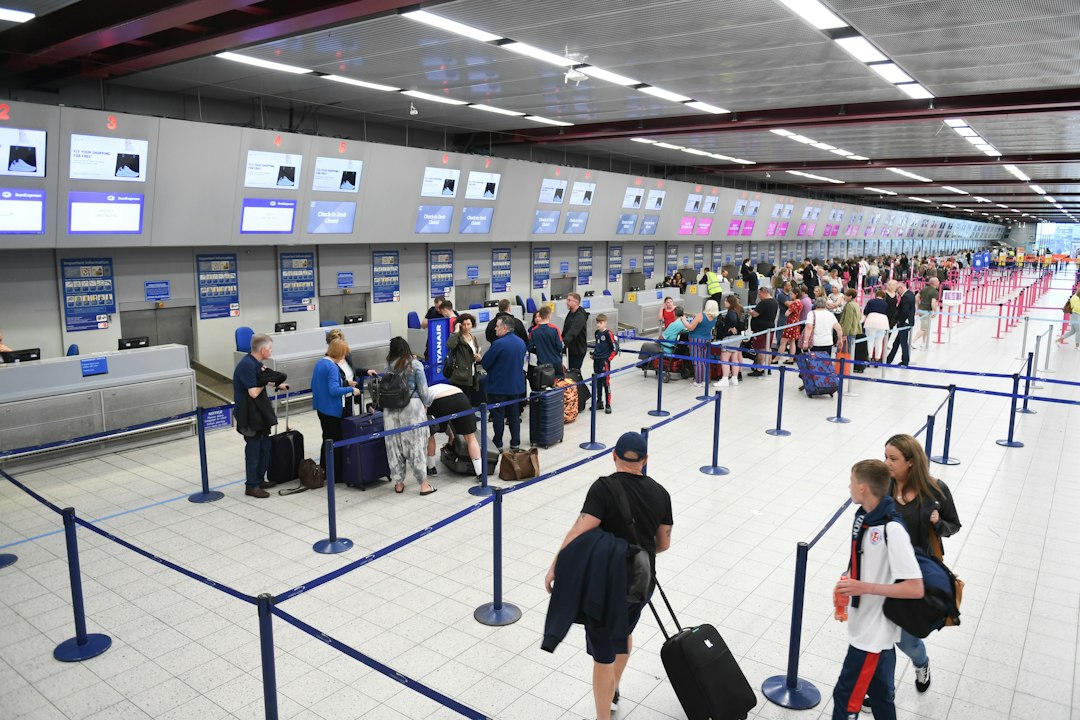 Photo by Phil Mosley on Unsplash
Credit Cards That Cover These Fees
This is the part most travelers miss. You may not need to pay for either program out of pocket.
- Amex Platinum ($695 annual fee): Covers both Clear ($199) and Global Entry/PreCheck ($120) as statement credits
- Amex Green ($150 annual fee): Covers Clear ($199) annually
- Capital One Venture X ($395 annual fee): Covers Global Entry/PreCheck ($120) every four years
- Chase Sapphire Reserve ($550 annual fee): Covers Global Entry/PreCheck ($120) every four years
- United Explorer, Delta SkyMiles Platinum, and several airline cards: Cover PreCheck or Global Entry fees
If you already hold one of these cards, you’re leaving money on the table by not enrolling. The credits reset annually or on a fixed cycle, so check your card’s terms before you pay cash.
Global Entry: The Sleeper Pick
If you travel internationally even once a year, skip PreCheck and go straight to Global Entry. It costs $120 for five years, includes full TSA PreCheck benefits on domestic flights, and gets you through customs on re-entry in minutes instead of an hour.
The catch is the interview backlog. Global Entry enrollment on arrival (EOA) has made this much easier — you can complete your interview when you land back in the US from an international trip, no appointment needed. If you have a fall international trip booked, this is the smartest way to enroll.
You can start that application here: AFFILIATE_LINK_[GLOBAL_ENTRY_APPLICATION].
Airport-by-Airport Reality Check
Not all PreCheck lanes are created equal. A few notes from recent traveler reports:
- Atlanta (ATL): PreCheck lanes at the domestic terminal can still hit 20+ minutes during Monday morning rush. Clear is genuinely useful here.
- Denver (DEN): One of the worst standard lines in the country. PreCheck helps enormously; Clear helps more.
- Newark (EWR): Clear + PreCheck combined lane is one of the fastest in the country. Worth the $199 if EWR is your home base.
- Chicago O’Hare (ORD): PreCheck is reliable. Clear availability is limited to certain terminals.
- Seattle (SEA): Spotty PreCheck lane availability depending on which checkpoint you use. Check before you commit.
- Smaller hubs (Austin, Nashville, Raleigh): PreCheck is almost always fast. Clear is usually overkill.
FAQ
How long does TSA PreCheck take to get approved in 2026? Most applications are approved in 3–5 days. Some take up to 60 days if there’s a flag on your background check. If you have an upcoming flight within two weeks, apply now — don’t wait.
Can I use Clear without TSA PreCheck? Yes, but you’ll still go through standard screening. Clear only skips you to the front of the line. You’ll still remove shoes, belts, and laptops unless you also have PreCheck.
Is Clear actually faster than PreCheck? At busy hubs during peak hours, Clear + PreCheck is faster than PreCheck alone. At quiet airports, PreCheck alone is often just as fast, and Clear adds an unnecessary $199 annual cost.
Do I need to renew PreCheck every year? No. PreCheck is valid for five years. Renewal costs $56 (down from $78) and can be done online in most cases without another in-person visit.
What happens if my PreCheck doesn’t show on my boarding pass? Check that your Known Traveler Number is saved in your airline profile and matches your booking exactly. If it’s still missing, ask the airline agent at check-in — they can add it manually. You cannot add it at the security checkpoint.
Can I get a refund if I don’t get approved? TSA PreCheck application fees are non-refundable if you’re denied. Clear offers a prorated refund if you cancel, but check the terms — some memberships auto-renew and require 30 days’ notice.
The Bottom Line
Get TSA PreCheck before your fall travel. It’s $78 for five years, the enrollment is painless, and the time savings are real. If you fly out of a major hub more than six times a year and a credit card is covering the fee, add Clear. If not, skip it and put that $199 toward your actual trip.
Apply for PreCheck this week. Approval takes days, not months, but you don’t want to be the person at the enrollment center two days before Thanksgiving.
Disclosure: This article contains affiliate links. If you enroll through one of our links, we may earn a small commission at no extra cost to you. We only recommend programs we’ve used or vetted personally.
Last updated: 2026-09-26