FAA Nationwide Travel Alert and Disney World 2026: What the Air Traffic Control Disruption Means for Your Orlando Trip and How to Protect Your Flights
The FAA’s nationwide travel alert means your Orlando flight can be delayed or canceled with little warning right now — and if you’re heading to Disney World in 2026, you need a backup plan before you board. Air traffic control staffing shortfalls have forced the agency to slow flight volumes into high-traffic hubs, and Orlando International Airport (MCO) — the main gateway to Walt Disney World — is one of the busiest leisure destinations in the country. Translation: your nonstop from Chicago or Dallas might get trimmed, rerouted, or pushed back by hours. Here’s exactly what’s happening, what it costs you, and how to lock down your trip so a control tower problem doesn’t wreck your park reservations.
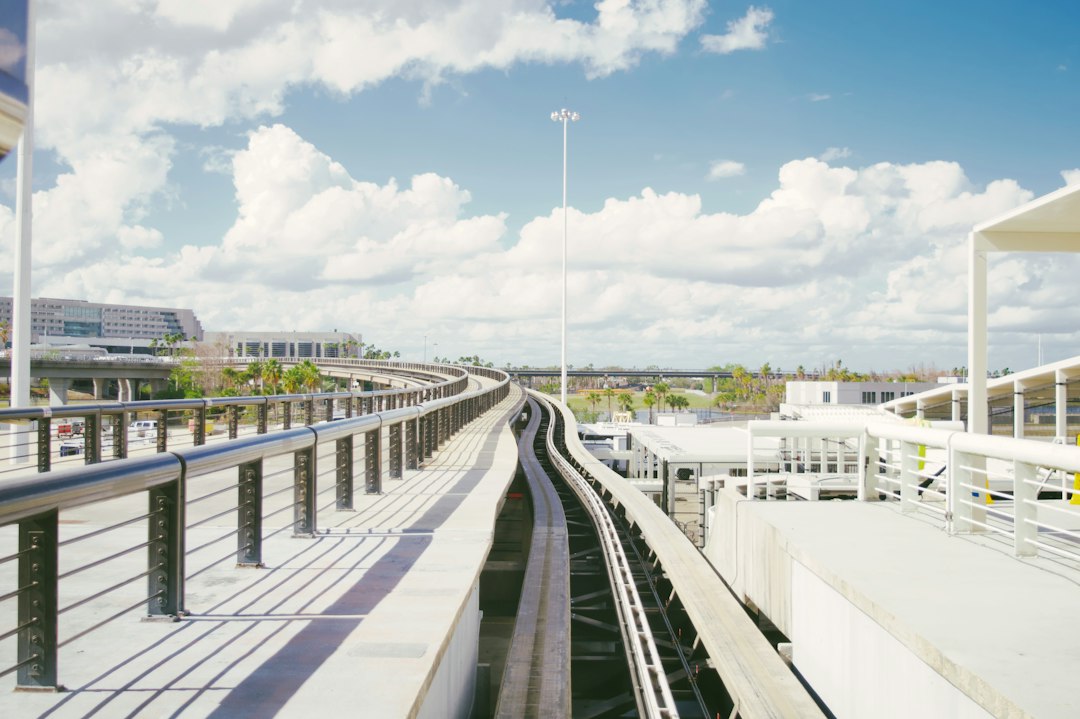 Photo by cool guy jon on Unsplash
What the FAA Nationwide Travel Alert Actually Means
The FAA has been issuing rolling advisories tied to air traffic controller shortages, and the practical effect is a cap on how many flights can move through certain airspace and airports per hour. When staffing dips below safe thresholds, the FAA slows the flow rather than risk safety. That slowdown cascades across the system within hours.
For you, that shows up as longer ground delays, more holding patterns, and a higher chance of last-minute cancellations — especially on afternoon and evening departures. MCO already runs near capacity during peak Disney travel windows (spring break, summer, and the weeks around Thanksgiving and Christmas).
The alert isn’t a shutdown. Flights are still operating. But the margin for error is gone, and a single weather event on top of a staffing shortfall can unravel an entire day of Orlando arrivals.
Why Orlando and Disney World Are Hit Harder Than Most Destinations
Orlando is uniquely exposed for three reasons. First, MCO is a leisure-heavy airport, meaning most passengers are tourists on fixed dates — they can’t easily shift a business trip by a day. Second, Disney vacations are prepaid and tightly scheduled, so a 6-hour delay can cost you a park day, a dining reservation, and a Lightning Lane window.
Third, Disney’s own calendar doesn’t flex. If you miss your arrival day, you don’t get that day back. Park reservations, Genie+ selections, and dining at places like Be Our Guest or Cinderella’s Royal Table are date-locked.
Add in that many Disney-bound travelers fly connecting itineraries through hubs like Atlanta, Charlotte, or Dallas — each of which has its own ATC constraints — and your odds of a clean trip drop fast.
Which Airlines and Routes Are Most Exposed
Not all carriers absorb disruption equally. Here’s how the major options stack up for an Orlando trip during an ATC alert.
| Airline | Orlando Presence | Rebooking Flexibility | Best For | Watch Out For |
|---|---|---|---|---|
| Southwest | Huge MCO operation | Free same-day changes, no change fees | Families with flexible dates | No assigned seats; rebooking scrambles |
| Delta | Strong MCO + hub connections | Good rebooking, SkyMiles redeposit fees vary | Travelers connecting via ATL | ATL is a frequent ATC bottleneck |
| American | Large MCO + CLT/DFW hubs | Solid, but hub congestion compounds delays | AAdvantage loyalists | CLT and DFW cascade delays |
| United | Fewer MCO nonstops | Decent rebooking via app | Hub flyers via EWR/ORD | EWR is delay-prone |
| JetBlue | Growing MCO focus | Moderate flexibility | Northeast nonstops | Limited rebooking options |
| Spirit/Frontier | Cheap MCO fares | Minimal flexibility, fees add up | Budget travelers with slack | Cancellations leave you stranded |
The pattern: legacy carriers with big Orlando networks (Southwest, Delta, American) give you more rebooking paths. Ultra-low-cost carriers save money upfront but leave you exposed when things break.
 Photo by Younho Choo on Unsplash
How to Protect Your Flights: 7 Concrete Moves
1. Fly Nonstop Whenever Possible
Every connection is a chance for a delay to compound. A nonstop from your city to MCO removes one airport’s ATC problems from your equation. If a nonstop costs $80–$150 more, it’s usually worth it during an active alert.
2. Book the First Flight of the Morning
The 6 a.m. departure is almost always the least delayed flight of the day. ATC slowdowns build through the afternoon, so the earlier you fly, the cleaner your odds. This single habit prevents more Disney trip disasters than any other.
3. Arrive a Full Day Before Your Park Plans
If your first park day is Saturday, fly Friday. A buffer day turns a 5-hour delay from a catastrophe into an inconvenience. Budget one extra hotel night — a value resort like Pop Century runs roughly $180–$250 that time of year.
4. Use a Travel Credit Card With Trip Delay Protection
Cards like the Chase Sapphire Reserve or Amex Platinum reimburse meals, hotels, and transport when you’re delayed 6+ hours (Reserve) or on eligible delays (Amex). This turns a stranded night at MCO into a reimbursed hotel stay. Apply well before your trip so coverage is active.
5. Buy Travel Insurance That Covers ATC Delays
Not all policies cover air traffic control disruptions — read the fine print. A solid policy from Allianz or Travelex typically runs 4–8% of trip cost. For a $4,000 Disney trip, that’s $160–$320 for real protection. Compare options through AFFILIATE_LINK_[TRAVEL_INSURANCE].
6. Set Up Real-Time Alerts
Download your airline’s app and enable push notifications. Delta, Southwest, and American all push rebooking options to the app before you reach a gate agent. Being first in the rebooking queue is everything when a bank of Orlando flights cancels at once.
7. Know Your Rights Before You Need Them
Under current DOT rules, if an airline cancels your flight for reasons within its control, you’re entitled to a full refund — even on a nonrefundable ticket. ATC staffing is a gray area, but many carriers still offer rebooking or credits. Always ask for a same-day confirmed seat on the next flight, not just a standby listing.
Should You Reroute Through a Different Florida Airport?
Sometimes the smartest move is skipping MCO entirely. Here’s the tradeoff.
| Airport | Drive to Disney | Pros | Cons |
|---|---|---|---|
| MCO (Orlando Intl) | 20–35 min | Closest, most flights, Magical Express successor options | Most ATC-exposed |
| SFB (Sanford) | 45–60 min | Smaller, less congestion, Allegiant hub | Fewer routes, fewer rebooking options |
| TPA (Tampa) | 75–90 min | Strong carrier mix, often cheaper | Long drive, rental car needed |
| MCO via DAB (Daytona) | 60–75 min | Rarely congested | Very limited flights |
Flying into Tampa and driving 80 minutes can save a trip when MCO is gridlocked. Factor in a rental car — roughly $45–$90 per day — and it still often pencils out.
What This Means for Your Disney Budget
Disruption costs money. Build a buffer into your numbers.
- Extra hotel night: $180–$450 depending on resort tier
- Meals during a delay: $40–$80 per person per day
- Rental car if you reroute: $45–$90/day
- Travel insurance: 4–8% of trip cost
- Change fees (if any): $0 on most major carriers now, but fare differences apply
A $200 insurance policy and one buffer night are the cheapest insurance you’ll ever buy against a ruined Disney trip.
Booking Strategy for 2026 Disney Trips
Book flights the moment your park dates are locked, but book them refundable or with a flexible fare if the price gap is small. Southwest’s no-change-fee model is a genuine advantage here. Set a Google Flights price alert and rebook if fares drop — most majors now let you rebook to a cheaper fare and keep the difference as a credit.
If you’re using points, remember that award redeposits are usually free on flexible awards. That flexibility is worth more than a slightly cheaper saver award during an active alert.
For park tickets and resort packages, book through a provider with strong cancellation terms — AFFILIATE_LINK_[DISNEY_PACKAGES] — so a flight disaster doesn’t lock you into a nonrefundable package.
FAQ: FAA Alert and Disney World 2026
Will my Orlando flight actually get canceled? Not necessarily. Most flights still operate. The alert raises the odds of delays and a smaller number of cancellations, especially on afternoon departures and connecting itineraries. Morning nonstops are the safest bet.
Does the FAA alert mean I should cancel my Disney trip? No. Adjust your strategy instead: fly nonstop, fly early, add a buffer day, and carry travel insurance. The trip is still very doable — you just need a plan B.
Am I entitled to compensation for an ATC delay? In the U.S., no cash compensation is required for delays. You’re entitled to a refund if the airline cancels and you choose not to rebook. Credit card trip delay protection and travel insurance are your real compensation tools.
Should I fly into Tampa instead of Orlando? If MCO is heavily disrupted and you can find a good fare to TPA, yes. The 75–90 minute drive is manageable, and Tampa often has more rebooking options. Just book a rental car in advance.
How early should I arrive at MCO during the alert? Two hours for domestic is the old standard; during an active alert, aim for 2.5 hours. Security lines at MCO can run 30–45 minutes at peak, and you don’t want to miss a flight that finally gets cleared for departure.
The Bottom Line
The FAA nationwide travel alert doesn’t cancel your Disney World 2026 trip — but it does change how you should book it. Fly nonstop, fly the first flight of the morning, arrive a day early, and carry both a travel credit card with delay protection and a real travel insurance policy. Those four moves cost you maybe $300–$500 total and protect a vacation that runs into the thousands.
Disruption is manageable when you plan for it. Treat the alert as a reason to build slack into your itinerary, not a reason to stay home.
This article contains affiliate links. If you book through them, lighttripnotes.com may earn a small commission at no extra cost to you. Always confirm current airline policies and DOT rules before your trip, as terms can change.
Last updated: 2026-10-02