The short answer: If you’re flying to Orlando for Disney World right now, expect delays and possible cancellations tied to the FAA’s air traffic controller shortage — not a full shutdown. Your best protection is to book nonstop flights that land before noon, add a travel insurance policy with trip delay coverage, and build a full buffer day into your Disney itinerary. Below is exactly how to do that, what it costs, and which options are worth your money.
The FAA’s nationwide travel alert stems from an ongoing air traffic controller staffing crisis that has forced the agency to slow flight volumes at high-traffic hubs, including Orlando International Airport (MCO). Disney World sits roughly 20 minutes from MCO, which makes it one of the most flight-dependent vacation destinations in the country. Around 60% of Disney guests arrive by air. When ATC staffing dips, Orlando feels it fast.
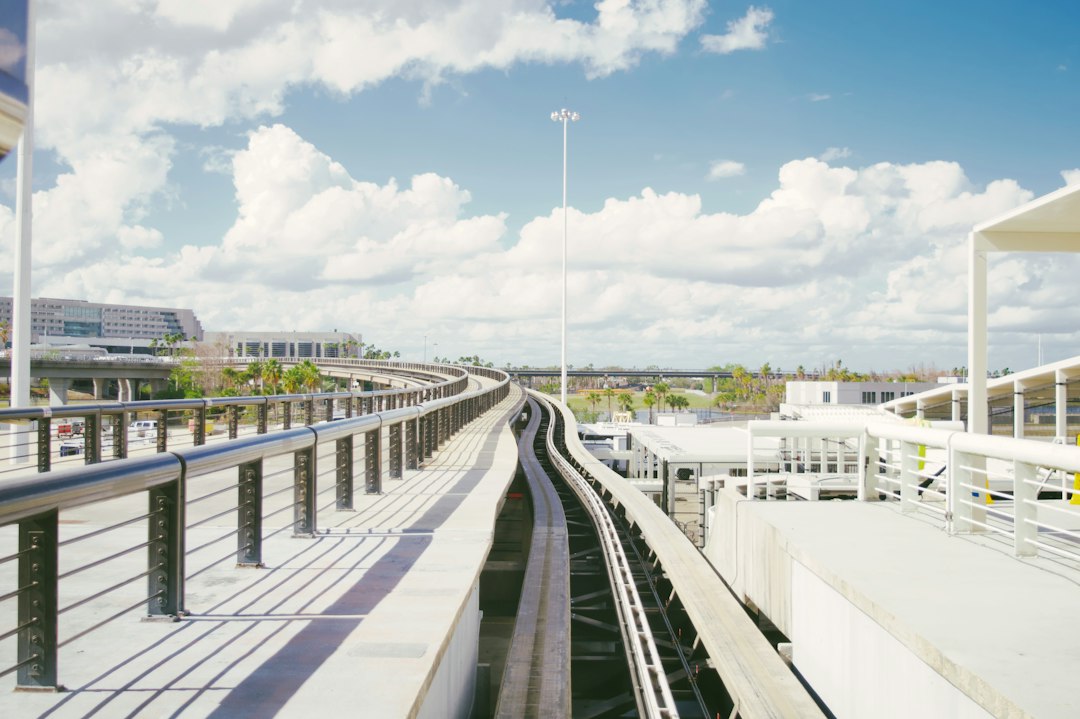 Photo by cool guy jon on Unsplash
What the FAA Alert Actually Means for Orlando
The alert is not a ground stop. It’s a capacity throttle. The FAA reduces the number of arrivals and departures it will accept per hour when controller staffing falls below safe thresholds at a given facility.
For you, that translates into three real-world effects:
- Longer tarmac waits. Planes hold on the ground at origin airports waiting for a slot into Florida airspace.
- Rolling delays that compound. A 40-minute delay in Chicago becomes a 2-hour delay by the time your aircraft reaches MCO.
- Cancellations on thin routes. Airlines cut the least profitable frequencies first — usually regional flights and late-night departures.
MCO handles roughly 1,700 daily operations on a normal day. Even a 10% capacity reduction removes about 170 flights from the system. That’s thousands of displaced passengers, and Disney-bound families make up a huge share of them.
Why this matters right now: October and November are peak fall-break and runDisney season, and the 2026 holiday crowds are already booking. The system is stressed at exactly the moment demand climbs.
The Real Cost of a Missed Disney Day
Here’s the math nobody wants to do. A one-day Magic Kingdom ticket for a date-based 2026 visit runs roughly $149–$189 per adult. A moderate resort room at Disney’s Caribbean Beach averages $280–$340 per night in peak season. Add a $90-per-person Lightning Lane Multi Pass day and a $60 table-service dinner, and a single lost park day costs a family of four somewhere between $900 and $1,200.
That’s the number your flight protection strategy needs to beat.
Your Flight Protection Options, Compared
| Option | Typical Cost | What It Covers | Pros | Cons | Best For |
|---|---|---|---|---|---|
| Airline flexible fare | +$80–$250 per ticket | Free changes, sometimes refunds | Simple, no claims process | Expensive, rarely covers delays | Business travelers, high-value trips |
| Travel insurance (trip delay) | 4–8% of trip cost (~$120–$260 for a $3,500 trip) | Delays 3–12 hrs, missed connections, bags | Covers hotels, meals, rebooking | Must file claims, exclusions apply | Families with prepaid Disney packages |
| Credit card trip protection | $0 (card annual fee) | Varies wildly by card | Free if you already hold the card | Often 6+ hr delay threshold, low caps | Chase Sapphire, Amex Platinum holders |
| Nonstop flight premium | +$40–$180 per ticket | Reduces connection risk | Fewest failure points | Limited routes, pricey | Everyone flying to MCO |
| Buffer-day hotel | $120–$300 | Absorbs a full delay day | Total peace of mind | Extra cost, extra PTO | First-time visitors, park-reservation holders |
For most Disney families, the winning combination is a nonstop flight plus a travel insurance policy with a 3-hour delay trigger. That pairing costs less than one lost park day.
Booking Strategy: How to Fly Into Orlando Safely
Fly nonstop, and fly early
Every connection is a chance to fail. A nonstop from your home airport to MCO removes the single biggest delay multiplier. If you can’t fly nonstop, route through a hub with heavy Orlando frequency — Atlanta, Charlotte, or Dallas — so you have rebooking options within hours.
Book the first departure of the day. Morning flights have the cleanest aircraft and crew already in position. By 4 p.m., delays have cascaded across the system. A 7 a.m. departure that slips 45 minutes still lands you at Disney by lunch.
Land a day before your park reservations
If your first park day is a Tuesday, fly in Monday. This is the single highest-return move you can make. A $180 airport hotel night protects a $1,000 park day. Disney’s own value resorts start around $130–$160 for a pre-night if you book it as a separate reservation.
Book flights and insurance in the same week
Travel insurance prices rise as your trip approaches and as weather risk climbs. Buying within 14 days of your first trip payment also unlocks “cancel for any reason” upgrades on many policies, which standard plans won’t offer later.
A solid mid-tier policy through a comparison tool like AFFILIATE_LINK_[TRAVEL_INSURANCE] typically runs $140–$220 for a family of four on a $4,000 trip, with trip delay benefits of $150–$200 per person per day after a 3–6 hour delay.
What Airlines Are Actually Doing
Airlines have responded to the ATC squeeze with schedule thinning rather than mass cancellations. Delta and Southwest have trimmed frequencies at MCO. American has consolidated some regional flying into mainline aircraft, which means fewer seats on some routes but more reliable operations.
Practically, this means:
- Southwest still offers the most Orlando frequencies and its no-change-fee policy is genuinely useful here. AFFILIATE_LINK_[SOUTHWEST]
- Delta has the strongest MCO operation among legacy carriers and better rebooking tools. AFFILIATE_LINK_[DELTA]
- Spirit and Frontier cut routes fastest under pressure. Cheap fares, highest disruption risk.
If you’re holding a budget-carrier ticket to Orlando, check your route’s frequency. A once-daily flight has no recovery option if it cancels.
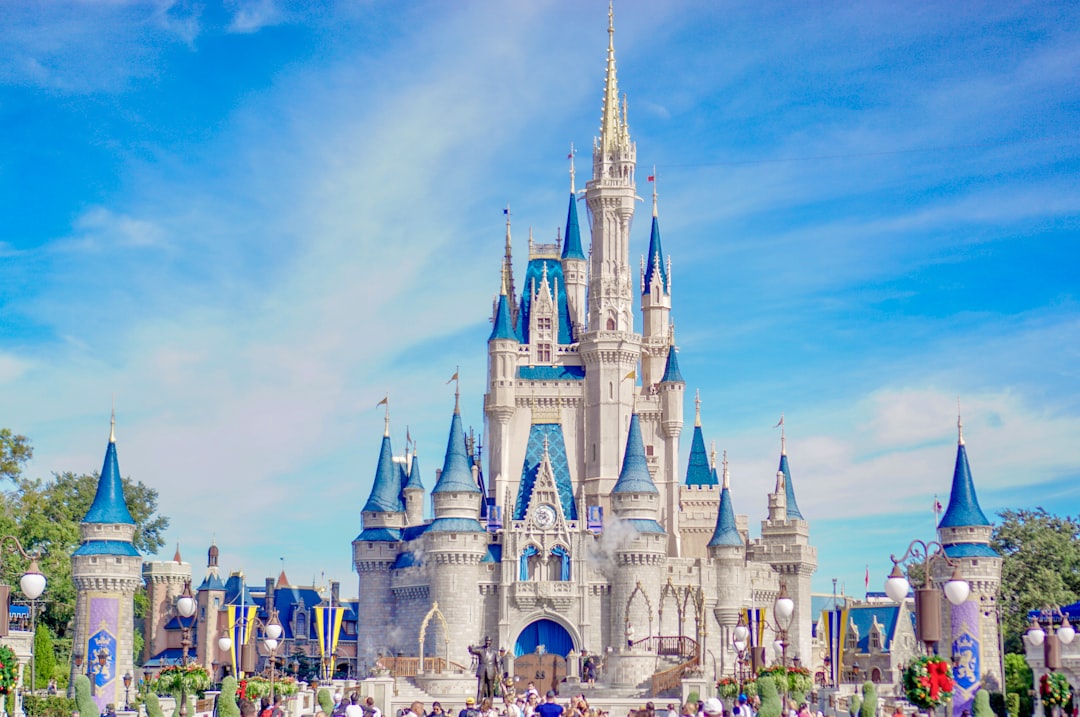 Photo by Younho Choo on Unsplash
Protecting Your Disney Reservations
Disney’s own policies are stricter than most travelers assume.
- Park tickets are non-refundable but can be reassigned to future dates if unused.
- Park reservations (still required for some ticket types) can be modified, not refunded.
- Package bookings allow cancellation up to 30 days out with a full refund; inside 30 days, penalties apply.
- Lightning Lane purchases are date-specific and non-refundable.
The workaround: if a delay threatens your arrival day, call Disney before midnight on your check-in date. Guest Services can often shift a package start date by one day without penalty if you’re inside the cancellation window, especially if you have documentation of a flight disruption.
Keep your boarding pass and any airline delay notice. Disney has historically been flexible with guests who can prove a travel disruption — but only when asked directly and politely.
Rental Cars, Rideshares, and the Orlando Backup Plan
If your flight cancels entirely, your fastest recovery is often a one-way rental from your origin city. It sounds extreme. For a family of four facing a two-day delay, driving 14 hours can beat waiting.
- Rental cars at MCO run $55–$95 per day in peak season. Book refundable rates through AFFILIATE_LINK_[RENTAL_CAR] so you can cancel free if your flight holds.
- Rideshare from MCO to Disney costs $35–$55 for standard UberX or Lyft. Surge pricing during disruption can push it past $90.
- Mears Connect shuttle runs $16 per adult one-way and doesn’t surge.
Book a refundable rental car as a hedge even if you plan to use Disney transportation. It costs nothing to cancel and gives you an escape valve.
Step-by-Step: Your Pre-Trip Checklist
- Set a fare alert and book nonstop, morning departure, 60–90 days out.
- Add travel insurance with a 3-hour delay trigger within 14 days of first payment.
- Book a buffer night before your first park day.
- Reserve a refundable rental car as backup.
- Download your airline’s app and enable push alerts — app rebooking beats the gate line every time.
- Screenshot everything: reservations, confirmation numbers, insurance policy numbers.
- Pack a carry-on only if you can. Checked bags are the last thing to catch up with you after a disruption.
FAQ
Is Disney World closed because of the FAA alert? No. The parks are operating normally. The disruption affects flights into Orlando, not the resort itself. Your risk is arriving late, not finding Disney closed.
Will my flight to Orlando get canceled? Most flights are operating, but delays are common. Short-haul regional flights and late-evening departures face the highest cancellation risk. Nonstop morning flights are the most reliable.
Does travel insurance cover FAA-related delays? Yes, if your policy includes trip delay coverage. ATC staffing shortages are generally treated as a carrier-caused delay, which most comprehensive policies cover after a 3–12 hour threshold. Read your specific policy — some exclude “air traffic control” by name.
Can I get a refund if my flight is delayed but not canceled? Usually no. Airlines owe you a rebooking, not a refund, for delays. Refunds are required only for cancellations or significant schedule changes, and “significant” varies by carrier.
Should I drive to Disney instead of flying? If you’re within 12–14 hours’ drive, it’s worth pricing out. Factor in a hotel night each way ($120–$180), gas ($180–$260 round trip), and parking at Disney ($30 per day at the resorts). For many families, the math is closer than it looks — and you eliminate flight risk entirely.
The Bottom Line
The FAA alert doesn’t cancel your Disney trip. It raises the odds you’ll lose a day if you don’t plan around it. Fly nonstop and early, buy delay coverage, land a day before your first park reservation, and keep a refundable rental car in your back pocket.
Do those four things and a disruption becomes an inconvenience instead of a $1,200 loss. Skip them and you’re gambling your park days on a system that’s currently running thin.
Affiliate disclosure: This article contains affiliate links. If you book through them, lighttripnotes.com may earn a small commission at no extra cost to you. We only recommend services we’d use ourselves.
Last updated: 2026-10-07