Canada has refreshed its travel advisories for nine popular fall vacation destinations heading into autumn 2026, covering everything from Mexico and the Caribbean to Europe and Asia. If your fall trip overlaps with one of those countries, the practical takeaway is simple: most advisories are level 1 or 2 (“exercise normal precautions” or “exercise a high degree of caution”), which means you travel as planned but adjust a few habits — avoid specific regions, register your trip, buy medical coverage, and check your route before you book.
 Photo by Chad Madden on Unsplash
The bigger story is what these advisories don’t say. A level 2 advisory for Mexico or France doesn’t mean cancelling your leaf-peeping or wine-tasting trip. It means the risk is regional, not national, and your job is to know which regions and which behaviours the advisory actually flags. Below is a breakdown of what changed, how the U.S. State Department’s parallel system works, and a planning framework you can apply this week.
What Actually Changed in the Fall 2026 Advisories
Canada’s advisory refresh touched nine fall-favourite destinations in one sweep — a signal that Global Affairs Canada is aligning its risk indicators more tightly with regional crime, civil unrest, and health infrastructure data rather than issuing blanket country warnings.
The U.S. State Department uses a four-level system, from Level 1 (exercise normal precautions) to Level 4 (do not travel), and it weighs risk indicators including crime, terrorism, civil unrest, health, natural disasters, and kidnapping. Levels are assigned per country, but the advisory text almost always carves out safer regions and names specific ones to avoid. That regional nuance is the part most travellers skip — and it’s the part that should shape your itinerary.
Why this matters right now: fall 2026 bookings for Europe, Mexico, and Japan are running hot, and airlines have already loaded their autumn schedules. A lot of people booked flights in spring before advisories refreshed. If you’re one of them, you’re not re-booking — you’re adjusting on the ground.
The Comparison Table: Fall 2026 Destinations at a Glance
Here’s how the major fall categories stack up against advisory risk, cost, and timing. Prices are per person for a 7-night trip, based on shoulder-season autumn rates.
| Destination | Typical Advisory Level | Best Fall Window | Est. 7-Night Cost (per person) | Main Advisory Concern | Best For |
|---|---|---|---|---|---|
| Mexico (Mexico City, Oaxaca, Yucatán) | Level 2 | Late Oct–mid Nov (Día de Muertos) | $1,100–$1,800 | Regional crime in specific states | Culture, food, budget |
| Caribbean (Jamaica, Dominican Republic) | Level 2 | Nov (post-hurricane peak) | $1,400–$2,400 | Petty crime, hurricane tail risk | Beach, all-inclusive |
| France (Paris, Reims, Alsace) | Level 2 | Late Sep–Oct | $2,000–$3,200 | Terrorism, pickpocketing, protests | Wine, cities, food |
| Germany (Rhine & Main river towns) | Level 1–2 | Oct (harvest, river cruises) | $1,900–$3,000 | Petty crime in transit hubs | River cruises, markets |
| Czechia (Prague) | Level 1 | Oct | $1,300–$2,100 | Pickpocketing in tourist zones | Budget Europe, architecture |
| Japan | Level 1 | Nov (koyo season) | $2,200–$3,500 | Natural disasters (typhoon season ends Oct) | Foliage, food, rail |
| US: New York Adirondacks | Domestic — no advisory | Late Sep–mid Oct | $1,200–$2,000 | None (weather/flight delays) | Foliage, hiking, road trips |
| US: Oregon Columbia River Gorge | Domestic — no advisory | Oct | $1,100–$1,900 | Wildfire smoke risk | Waterfalls, scenic drives |
| US: Aspen, Colorado | Domestic — no advisory | Late Sep–early Oct | $1,600–$2,800 | Altitude, early snow | Luxury foliage, hiking |
Notice the pattern: the destinations with the most advisory chatter (Mexico, Caribbean, France) are also the ones where the advisory is regional. Prague and Japan sit at Level 1, which is why they’re absorbing a lot of the “safe fall Europe/Asia” demand this year.
Destination-by-Destination: What to Know Before You Book
Mexico — Level 2, But Region Matters More Than Ever
Mexico remains one of the best-value fall trips on the board. Día de Muertos in Oaxaca and Mexico City runs late October into early November, and shoulder-season flights from major U.S. hubs are landing in the $350–$550 round-trip range if you book 6–8 weeks out.
The catch: advisory concerns concentrate in specific states, not the whole country. Colonial cities, the Yucatán, and Mexico City’s tourist corridors are heavily policed and generally fine for standard precautions. If your itinerary includes remote rural roads or certain border states, that’s where the advisory language gets sharp.
Pros: Unbeatable food and culture per dollar, strong domestic flight network, Día de Muertos timing. Cons: Regional crime risk requires route research; some areas have limited English-language medical facilities. Best for: Culture-first travellers comfortable doing a bit of pre-trip homework.
Caribbean — Level 2, and Hurricane Season Isn’t Over
The Caribbean’s fall window is a gamble on weather. Hurricane season technically runs through November 30, though the statistical peak is mid-September. Booking for mid-to-late November gets you better odds and lower prices than December.
Advisory concerns here are mostly petty crime and isolated violent crime in specific neighbourhoods of Kingston and parts of the Dominican Republic’s urban areas. Resort zones operate under their own security footprint.
Pros: All-inclusive pricing makes budgeting easy ($1,400–$2,400 for 7 nights), direct flights from the East Coast. Cons: Weather risk through November, resort-zone confinement if you’re not comfortable exploring. Best for: Travellers who want a low-decision, high-comfort beach week.
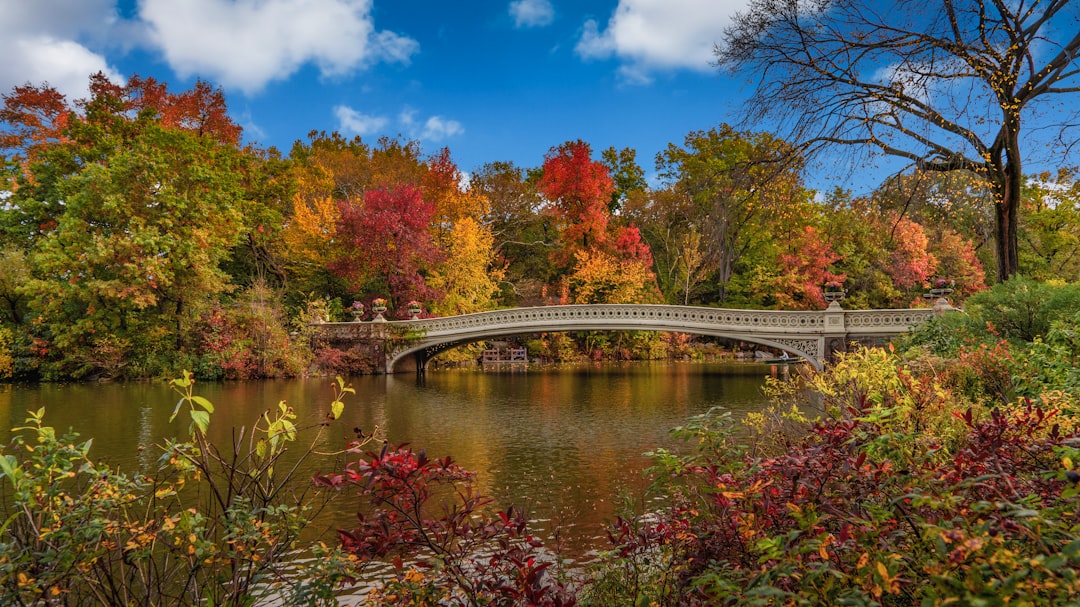 Photo by Pierre Blaché on Unsplash
France — Level 2, and the Advisory Is Mostly About Cities
France sits at Level 2, and the advisory language centres on terrorism risk, pickpocketing, and periodic protests. Your Rhine-and-Reims-and-Paris itinerary is squarely in the standard-tourist zone, which means the practical adjustments are mundane: watch your bag on the Métro, avoid large unsanctioned gatherings, and keep an eye on strike calendars before you plan train days.
October in Reims and the Alsace wine route is peak harvest. Tastings run €15–€40 per person, and the crowds thin dramatically after September.
Pros: World-class wine and food, excellent rail, harvest-season energy. Cons: Protest and strike disruption is real; Paris lodging in October runs $180–$320/night for mid-range. Best for: Food-and-wine travellers who can stay flexible on transit days.
Germany — Level 1–2, the Quiet Winner of Fall 2026
The Rhine and Main river towns — think Rüdesheim, Bacharach, Würzburg, Bamberg — are having a moment. River cruise operators have expanded October departures, and the advisory picture is mild: petty crime in transit hubs, nothing region-specific that affects tourist routes.
A 7-night Rhine/Main river cruise runs roughly $1,900–$3,000 per person including meals, which undercuts comparable land-based Europe trips once you factor in transport and dining.
Pros: Level 1–2 risk, strong value on cruises, harvest and wine-festival season. Cons: Smaller towns shut down earlier in the evening; some attractions close after October. Best for: Slow travellers, couples, and anyone who wants Europe without big-city friction.
Czechia (Prague) — Level 1, and Priced Accordingly
Prague holds Level 1, which is why it’s absorbing overflow demand from travellers nervous about other European destinations. October temperatures sit in the 45–60°F range, crowds are manageable, and a mid-range hotel runs $110–$180/night.
The advisory-level risk is pickpocketing in tourist zones — Charles Bridge, Old Town Square, and tram line 22 are the classic spots. Nothing here should change your plans.
Pros: Level 1, cheap by European standards, gorgeous autumn architecture. Cons: Prices climbing as demand shifts here; some smaller attractions reduce hours in November. Best for: Budget-conscious Europe travellers and first-timers.
Japan — Level 1, and November Is the Sweet Spot
Japan’s koyo (autumn foliage) season runs roughly mid-November in Kyoto and Tokyo, and the country holds Level 1. Typhoon season winds down by October, which makes November the cleanest month of the fall for a Japan trip.
Costs are the real constraint: 7 nights with rail pass, hotels, and food runs $2,200–$3,500 per person. Book JR Pass and popular ryokan 2–3 months out — November fills fast.
Pros: Level 1, extraordinary foliage and food, world-class rail. Cons: Highest cost on this list; accommodation books out early. Best for: Travellers who’ve saved for a big trip and want zero advisory friction.
The Domestic Options: Adirondacks, Columbia River Gorge, Aspen
The top trending U.S. autumn destinations for 2026 are New York’s Adirondacks, Oregon’s Columbia River Gorge, Aspen, Colorado, and Napa. No travel advisories apply domestically, which is exactly why they’re trending — but each has its own risk profile.
The Adirondacks peak in late September to mid-October; a 7-night cabin-and-road-trip runs $1,200–$2,000. The Columbia River Gorge is an October pick, but wildfire smoke can scrub visibility — build in a backup day. Aspen peaks late September to early October and runs $1,600–$2,800 for the week; altitude sickness is the real hazard, not crime.
Pros: No advisories, no currency risk, easy flight rebooking. Cons: Foliage timing is weather-dependent; peak weekends spike lodging prices 40–60%. Best for: Last-minute planners and anyone who wants a driving trip.
How to Plan Around an Advisory Without Cancelling
An advisory is a planning input, not a verdict. Here’s the framework I use.
1. Read the advisory text, not the level. A Level 2 country often has large regions at effectively Level 1. Copy the specific regions named in the advisory and check them against your actual route.
2. Register your trip. The U.S. State Department’s Smart Traveler Enrollment Program (STEP) is free and gets you local alerts. Canada’s Registration of Canadians Abroad does the same. Takes four minutes.
3. Buy medical and evacuation coverage. This is the single highest-value purchase for any Level 2 destination. A comprehensive policy with $250,000+ evacuation coverage typically runs 4–8% of trip cost. For a $2,000 trip, that’s $80–$160 — cheaper than one emergency-room visit abroad.
4. Build one flexible day per week. Strikes, protests, and weather all resolve into “your Tuesday plan is dead.” One buffer day absorbs it.
5. Book refundable where the advisory is volatile. Free-cancellation hotel rates cost 5–15% more but let you pivot a region without eating the cost. For flights, award bookings or fully refundable fares are worth the premium on Level 2 destinations.
6. Check your card’s travel protections. Many premium cards include trip interruption and secondary medical coverage. Read the exclusions before you buy duplicate insurance.
If you want a single tool to track all of this, a subscription travel-risk app is overkill for most people — the free government registries plus your insurer’s app cover 95% of cases.
Real Prices: What Fall 2026 Actually Costs
Budget anchors from current bookings, per person, 7 nights, excluding international airfare unless noted:
- Prague, mid-range: $1,300–$2,100 (hotel $110–$180/night, meals $30–$50/day)
- Rhine/Main river cruise: $1,900–$3,000 all-inclusive
- Paris + Reims: $2,000–$3,200
- Oaxaca, Día de Muertos: $1,100–$1,800
- Japan, November: $2,200–$3,500
- Adirondacks road trip: $1,200–$2,000
- Aspen: $1,600–$2,800
Airfare to Europe from the East Coast is running $550–$850 round-trip for October; to Mexico, $350–$550; to Tokyo, $800–$1,300. Booking 6–10 weeks out is the current sweet spot for autumn.
FAQ: Fall 2026 Travel Advisories
Does a Level 2 advisory mean I should cancel my trip? No. Level 2 means “exercise increased caution” — it’s the level assigned to France, Mexico, and much of the Caribbean, all of which host millions of tourists annually. Read the regional carve-outs, avoid the named areas, and travel normally.
Which fall 2026 destinations have the lowest advisory risk? Japan and Czechia both sit at Level 1, as do most Rhine and Main river towns in Germany. Domestically, the Adirondacks, Columbia River Gorge, and Aspen carry no advisory at all.
Is the Caribbean safe in November 2026? Hurricane season runs through November 30, though risk drops sharply after mid-October. Advisory concerns are petty crime and isolated urban violence, not resort-zone issues. Late November is the best risk-to-price window.
Do I need travel insurance for a Level 2 country? Effectively yes. Medical evacuation from Mexico or the Caribbean can run $30,000–$100,000 out of pocket. A policy with strong evacuation coverage costs $80–$160 on a $2,000 trip — buy it.
How often do advisories change? Canada and the U.S. both review continuously and update without notice. Canada’s nine-destination refresh this month is a good reminder to re-check your destination 7 days before departure and again 48 hours out.
Should I book flights before or after checking advisories? Check advisories first, then book refundable or award flights if the destination is Level 2. If it’s Level 1, book normally — the advisory is unlikely to shift enough to matter in a 6-week window.
The Bottom Line
Fall 2026’s advisory refresh is a nudge, not a stop sign. The nine destinations Canada flagged are still among the best autumn trips you can take — you just need to know which regions the advisory actually targets and build in flexibility where risk is real. Prague and Japan at Level 1 are the low-friction picks. Mexico and the Caribbean at Level 2 reward travellers who do 20 minutes of route research and buy evacuation coverage. And the domestic options — Adirondacks, Columbia River Gorge, Aspen — sidestep the entire question if you’d rather not think about it.
Pick your destination, register your trip, insure the medical side, and keep one day per week unbooked. That’s the whole playbook.
This post contains affiliate links. If you buy through them, we may earn a small commission at no extra cost to you. We only recommend gear and services we’d use ourselves.
Last updated: 2026-09-13