Unseen Bangladesh Travel Map 2026: Off-the-Beaten-Path Destinations, eSIM Tips, and How to Plan a Trip Beyond the Guidebooks
Bangladesh gets roughly 0.3% of the tourists that visit neighboring India, and that’s exactly why you should go now. The country is stable, cheap (a solid guesthouse runs $12–$25/night), and building infrastructure fast — a new terminal at Dhaka’s Hazrat Shahjalal International Airport (Terminal 3) is phasing into operation through 2026, and the Padma Rail Link has cut cross-country travel times significantly. The window where you can have Srimangal’s tea estates or the Chittagong Hill Tracts’ tribal villages almost to yourself is closing. This guide gives you the map, the eSIM setup, and the honest logistics for going beyond Cox’s Bazar and the Sundarbans tour-bus circuit.
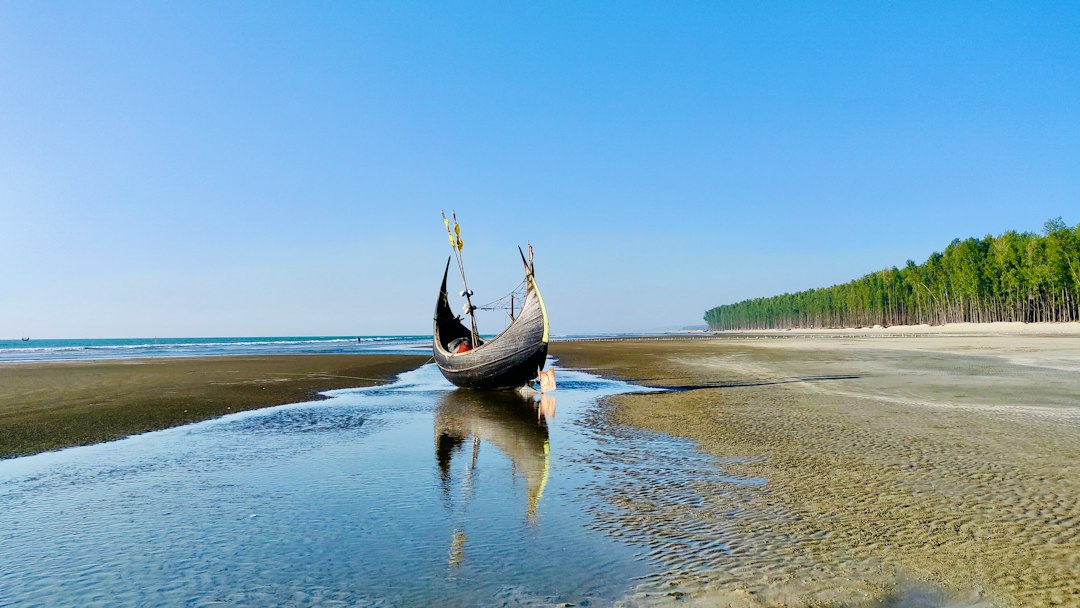 Photo by Riashat Rafat on Unsplash
The Unseen Bangladesh Map: 8 Destinations Worth Your Visa
Forget the standard loop. These are the places Bangladeshi travelers themselves rave about but foreign guidebooks skip.
1. Tanguar Haor, Sunamganj (Best: Nov–Feb)
A 100-square-kilometer freshwater wetland that floods into an inland sea each monsoon. In winter it becomes a maze of fishing villages, migrating birds (over 200 species), and boat-only access.
- Pros: Genuinely untouched; staying on a houseboat costs $40–$70/night for the whole boat with meals. Niladri Lake and Shimul Bagan (silk-cotton tree gardens) are nearby.
- Cons: Getting there means a 4–5 hour drive from Sylhet or an overnight bus from Dhaka to Sunamganj, then a rented engine boat (roughly $25–$40/day).
- Best for: Slow travelers and photographers who don’t mind basic bathrooms.
2. Srimangal, Sylhet Division (Best: Oct–Mar)
The tea capital. Seven-layer tea at Nilkantha Tea Cabin costs 30 taka (about $0.25). You can cycle through Finlay Tea Estate, spot the rare Hoolock gibbon at Lawachara National Park, and sleep in a colonial-era tea bungalow.
- Pros: Easy access — 4-hour train from Dhaka on the Parabat Express ($4–$12 depending on class). Great food.
- Cons: Weekend crowds from Dhaka; book accommodation in advance for Friday–Saturday.
- Best for: First-timers who want offbeat without roughing it.
3. Bandarban, Chittagong Hill Tracts (Best: Nov–Feb)
Bangladesh’s highest peaks — Keokradong (986m) and Tajingdong — plus Marma, Mro, and Tripura villages. Nilgiri Hill Resort has the best sunrise view in the country.
- Pros: Real trekking (2–4 day routes), tribal markets, and the beautiful Boga Lake.
- Cons: You need a permit. Foreigners must register with the Bandarban district administration and, for some areas, obtain clearance from the Chittagong Hill Tracts Affairs office. Rules shift — check with your Dhaka hotel or a local operator 2–3 weeks out. Some remote sub-districts (Ruma, Thanchi) require additional permission and a licensed guide.
- Best for: Fit, patient travelers who plan ahead.
4. Kuakata (Best: Nov–Mar)
The only place in Bangladesh where you can watch both sunrise and sunset over the Bay of Bengal from the same beach.
- Pros: Far quieter than Cox’s Bazar, Rakhine Buddhist heritage, fresh crab dinners for $5.
- Cons: 8–9 hour bus from Dhaka; accommodation tops out at mid-range.
- Best for: Beach lovers avoiding crowds.
5. Ratargul Swamp Forest, Sylhet (Best: Jun–Oct)
One of the world’s few freshwater swamp forests, submerged chest-deep in monsoon. Boat rides through the flooded trees run about $10–$15 per group.
- Pros: Unreal scenery, close to Sylhet city (30 km).
- Cons: Best in monsoon, which means rain and leeches. Dry season it’s less dramatic.
- Best for: Monsoon-tolerant adventurers.
6. Mahasthangarh & Paharpur, Rajshahi Division (Best: Nov–Feb)
Mahasthangarh (3rd century BCE) is Bangladesh’s oldest archaeological site; Paharpur’s Somapura Mahavihara is a UNESCO World Heritage Buddhist monastery from the 8th century.
- Pros: Almost no foreign tourists, deep history, easy day trips from Bogra.
- Cons: Limited English signage; hire a local guide for $15–$25/day.
- Best for: History buffs.
7. Saint Martin’s Island (Best: Nov–Mar)
Bangladesh’s only coral island, a 2-hour ship ride from Teknaf. Book the Keari Sindbad or Bay Cruise — tickets sell out days ahead in peak season.
- Pros: Snorkeling, crystal water, tiny island you can walk in 40 minutes.
- Cons: Overnight stays are restricted at times due to environmental and security policy — day trips only during certain periods. Verify current rules before booking.
- Best for: Anyone craving a tropical island without the Maldives price tag.
8. Birishiri, Netrokona (Best: Oct–Mar)
The “China Clay” hills along the Someshwari River, with the Garo tribal community nearby. Almost no foreign visitors.
- Pros: Stunning blue-green river against white clay hills; authentic Garo cultural stays.
- Cons: Rough roads (4–5 hours from Mymensingh), minimal infrastructure.
- Best for: Off-grid explorers.
Destination Comparison Table
| Destination | Best Season | Getting There | Daily Budget (USD) | Difficulty | Best For |
|---|---|---|---|---|---|
| Tanguar Haor | Nov–Feb | Bus to Sunamganj + boat | $35–70 | Moderate | Photographers |
| Srimangal | Oct–Mar | Train from Dhaka | $25–45 | Easy | First-timers |
| Bandarban | Nov–Feb | Bus from Dhaka/Chattogram + permit | $30–55 | Hard | Trekkers |
| Kuakata | Nov–Mar | 8–9h bus from Dhaka | $20–40 | Easy | Beach lovers |
| Ratargul | Jun–Oct | 30 km from Sylhet | $15–30 | Easy | Monsoon travelers |
| Mahasthangarh/Paharpur | Nov–Feb | Train to Bogra | $20–35 | Easy | History buffs |
| Saint Martin’s | Nov–Mar | Ship from Teknaf | $40–80 | Moderate | Island seekers |
| Birishiri | Oct–Mar | Bus to Netrokona | $15–30 | Moderate | Off-grid explorers |
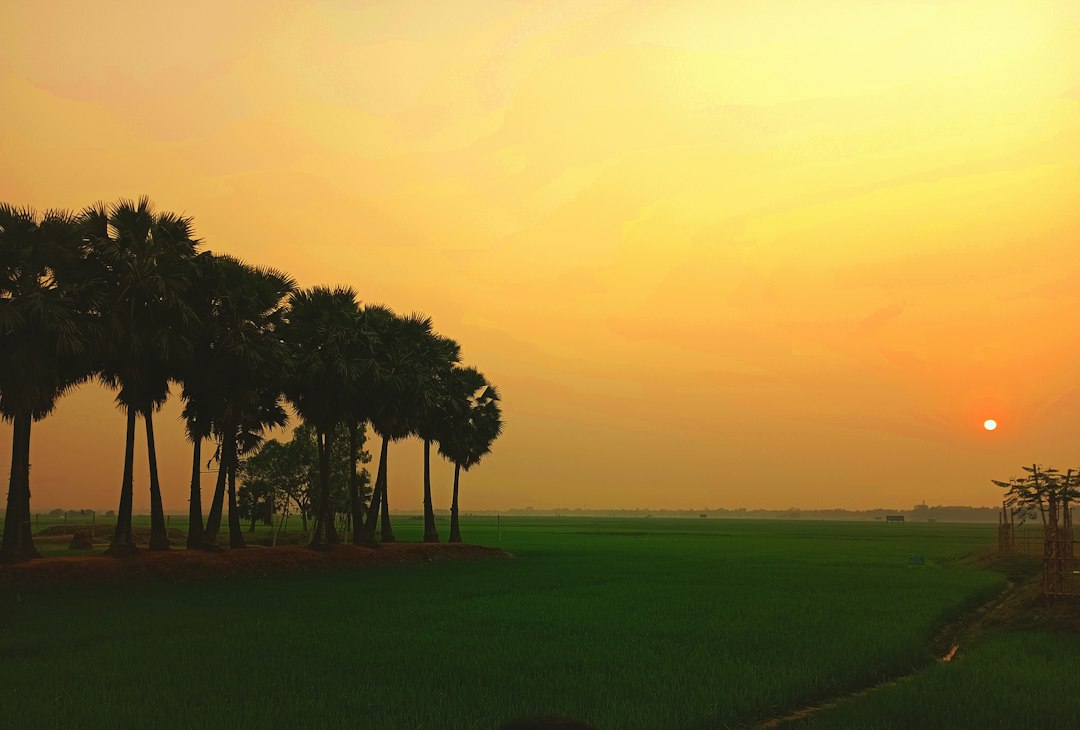 Photo by Sabbir Hossen on Unsplash
eSIM Tips for Bangladesh: What Actually Works in 2026
Bangladesh’s physical SIM market is a hassle for short-term visitors — biometric registration, passport copies, and 24–48 hour activation waits. An eSIM skips all of it.
The three reliable options:
- Airalo — Uses Banglalink and Grameenphone networks. Plans start around $5 for 1GB/7 days, up to $26 for 10GB/30 days. Coverage is solid in Dhaka, Chattogram, Sylhet, and Cox’s Bazar. Rural haor and hill areas drop to 3G or nothing.
- Nomad — Slightly pricier ($9–$30 range) but often bundles regional Asia plans if you’re combining Bangladesh with India or Nepal.
- Holafly — Unlimited data plans ($19+ for 5 days), but throttles after heavy use.
Recommendation: Grab an Airalo 5GB/15-day plan (about $14) via AFFILIATE_LINK_[AIRALO] before you fly. It activates on landing at Dhaka. As a backup in remote areas, buy a local Grameenphone SIM at the airport ($3–5) if you’ll be in Bandarban or Tanguar Haor for more than a few days.
Two things people get wrong:
- eSIMs don’t give you a local number. For hotel bookings and permit offices, you’ll want a local SIM or WhatsApp.
- Coverage maps lie. Grameenphone has the best rural reach; Banglalink is faster in cities. If your eSIM only routes through one, expect dead zones in the hills.
Bring a power bank — load-shedding still happens in smaller towns, though far less than a decade ago.
How to Plan a Trip Beyond the Guidebooks
Visas
Most nationalities can get a Visa on Arrival at Dhaka airport for $51 (single entry, 30 days) if you have a return ticket, hotel booking, and $500 in funds (card statement works). Some countries must apply in advance — check the Bangladesh Ministry of Foreign Affairs site. As of 2026, the e-visa portal has improved but still takes 7–10 business days.
Getting Around
- Domestic flights: Biman, US-Bangla, and Novoair connect Dhaka to Cox’s Bazar, Sylhet, Chattogram, and Saidpur. Fares run $30–$70 one-way. Book via AFFILIATE_LINK_[12GO_ASIA] for bus and train tickets in English.
- Trains: The Padma Rail Link means Dhaka–Bhanga–Jashore is now fast. Book Bangladesh Railway tickets online (they open 10 days ahead and sell out — set an alarm).
- Buses: Shohagh, Green Line, and Hanif are the safest bets for long hauls. AC seats cost $8–$15.
- CNG auto-rickshaws: Always agree on the fare first, or insist on the meter. In Dhaka, use Uber or Pathao.
Where to Sleep
- Dhaka: $30–$80 for a decent 3-star (Hotel 71, Asia Hotel).
- Srimangal: Tea bungalows $40–$90; guesthouses $15–$25.
- Bandarban: Nilgiri ($60–$100) or local guesthouses ($12–$20).
- Tanguar Haor: Houseboats $40–$70 all-in.
Book the first two nights in Dhaka in advance. Everything else you can arrange locally through your guesthouse — Bangladeshi hospitality means someone will always help you figure out the next leg.
Money
Cash is king outside Dhaka and Chattogram. ATMs (BRAC Bank, City Bank) work in cities but often cap withdrawals at 20,000–25,000 taka ($170–$210). Bring clean USD to exchange — torn or marked bills get refused.
Safety
Bangladesh is generally safe for travelers. Petty theft is rare. The real risks are road accidents (drive defensively, avoid overnight buses on two-lane highways if you can) and political strikes (hartals) — check the news before travel days. Register your trip with your embassy.
Sample 12-Day Unseen Bangladesh Itinerary
- Days 1–2: Dhaka — Old Dhaka, Ahsan Manzil, Lalbagh Fort.
- Days 3–4: Train to Srimangal — tea estates, Lawachara, seven-layer tea.
- Days 5–6: Bus to Sunamganj — Tanguar Haor houseboat overnight.
- Days 7–8: Sylhet — Ratargul swamp forest, Jaflong.
- Days 9–11: Fly to Chattogram, bus to Bandarban — Nilgiri, Boga Lake trek (permit required).
- Day 12: Return to Dhaka.
Total cost: roughly $700–$1,100 per person excluding international flights.
FAQ: Real Traveler Questions
Do I need a permit for Bandarban or the Chittagong Hill Tracts? Yes. Foreigners must register with the Bandarban district administration, and some remote areas (Ruma, Thanchi, Rowangchhari) need additional clearance. Apply 2–3 weeks ahead through a local operator or your Dhaka hotel. Rules change — always verify before booking.
Is an eSIM enough, or do I need a local SIM? An eSIM (Airalo, Nomad, Holafly) covers cities and tourist areas fine. For rural haor and hill regions, buy a Grameenphone physical SIM as backup — it has the best rural coverage. You’ll also need a local number for permit offices.
What’s the best time to visit Bangladesh? November through February. Dry, cool (18–28°C), and ideal for haors, hills, and beaches. Avoid the monsoon (June–September) unless you specifically want Ratargul’s flooded forest — expect heavy rain and transport delays.
How much does a 2-week trip cost? Budget travelers: $500–$700 (guesthouses, buses, local food). Mid-range: $900–$1,300 (3-star hotels, some flights, guides). International flights from the US or Europe add $700–$1,200.
Is Bangladesh safe for solo female travelers? Generally yes, but expect stares and constant questions. Dress modestly (covered shoulders and knees), avoid isolated areas after dark, and use ride-hailing apps in cities. Many solo women report feeling safer here than in parts of India, but plan logistics carefully.
Can I drink the water? No. Stick to bottled or filtered water. Ice in cities is usually fine; in villages, ask for drinks without ice. Carry oral rehydration salts.
The Bottom Line
Bangladesh in 2026 is what Vietnam was in 2005 — raw, welcoming, and about to change. Go for the haors, the tea gardens, and the hill tribes. Go before the tour buses find it. Book your eSIM through AFFILIATE_LINK_[AIRALO], lock in your Dhaka hotel, and let the rest unfold on the ground. That’s how the best Bangladesh trips actually happen.
Affiliate disclosure: This article contains affiliate links. If you buy through them, we may earn a small commission at no extra cost to you. We only recommend services we’ve verified for Bangladesh travel.
Last updated: 2026-10-11