US Travel Advisory China Detention Risk 2026: What the Latest Warning Means for Your Trip and How to Stay Safe
China is currently rated Level 2: Exercise Increased Caution by the U.S. State Department — the same level as France and Costa Rica. But the fine print is what matters. The advisory specifically warns that Chinese security personnel “could detain or deport U.S. citizens for sending private electronic messages critical of the government of China, Hong Kong SAR, or Macau SAR.” Translation: your text messages, emails, and social posts can follow you across the border. The advisory also flags arbitrary enforcement of local laws and exit bans — a mechanism where you’re legally barred from leaving China, sometimes for years, without being charged with a crime.
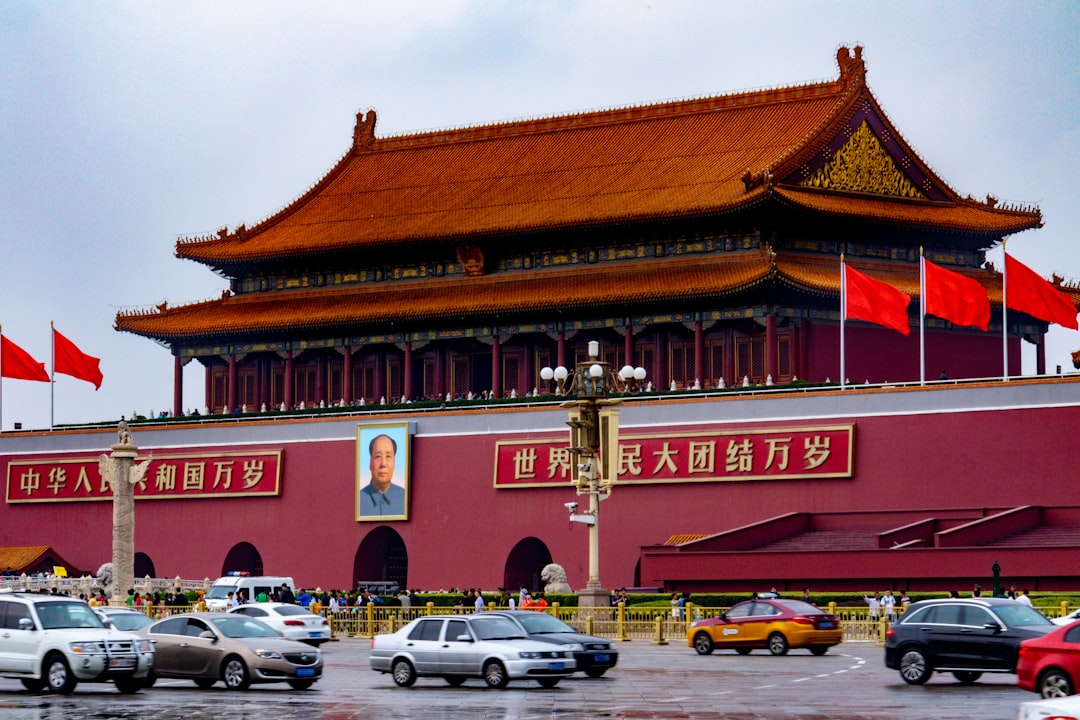 Photo by Nick Fewings on Unsplash
That’s the headline. The nuance is that millions of Americans visit China every year without incident. The risk is real but concentrated in specific behaviors, specific regions, and specific traveler profiles. This guide breaks down what the 2026 warning actually says, who needs to worry, and the concrete steps that keep the vast majority of travelers out of trouble.
What the 2026 Advisory Actually Says (And What Changed)
The State Department reviews travel advisories on a rolling basis using risk indicators like crime, civil unrest, health, and — critically for China — arbitrary enforcement of laws. The current Level 2 rating has been in place since 2024 and carried into 2026, but the language around detention has gotten sharper.
Three things stand out in the current advisory:
1. Electronic communications are explicitly named. The advisory states that U.S. citizens can be detained for private messages critical of the Chinese, Hong Kong, or Macau governments. This isn’t hypothetical — it reflects documented cases where travelers were questioned about content on their phones.
2. Exit bans are flagged. Chinese authorities can prohibit you from leaving the country using an exit ban, often without telling you it’s in place until you’re at the airport. These can last months or years and are frequently tied to business disputes, civil claims, or investigations involving family members.
3. Arbitrary enforcement is called out. The advisory notes that China may “arbitrarily enforce local laws and detain US citizens without cause.” This is the language that separates a Level 2 for China from a Level 2 for, say, Italy.
Overstaying your visa is also a documented trigger for fines and administrative detention. Pay close attention to the permitted length of stay after each entry — China’s visa rules don’t forgive math errors.
Who’s Actually at Risk (And Who Isn’t)
The honest answer: the average tourist doing tourist things in Beijing, Shanghai, or Xi’an has a very low detention risk. The people who get into trouble tend to fall into recognizable categories.
Higher risk:
- Journalists and researchers working on sensitive topics (Xinjiang, Tibet, Hong Kong, Taiwan, party politics)
- Business travelers in disputes with Chinese partners or companies — exit bans often stem from commercial conflicts
- Dual nationals or people with family ties to China, who may be treated as Chinese citizens under Chinese law
- Anyone with critical content on their devices — even old posts, group chats, or emails
- Travelers to Xinjiang, Tibet, and border regions, where surveillance and questioning are more intense
Lower risk:
- Standard tourists on organized or independent itineraries in major cities
- Business travelers with clean, uncontested relationships
- Short-stay visitors with straightforward visa compliance
If you’re in the first group, the advisory isn’t boilerplate — it’s a real operational warning. If you’re in the second, it’s a reason to be careful, not a reason to cancel.
How This Compares to Other High-Profile Destinations
Context helps. Here’s how China’s advisory stacks up against other destinations Americans worry about:
| Destination | Advisory Level | Key Detention/Arrest Risk | Typical Tourist Impact |
|---|---|---|---|
| China | Level 2 – Exercise Increased Caution | Arbitrary detention, exit bans, electronic message scrutiny | Low for standard tourism |
| Hong Kong SAR | Level 2 – Exercise Increased Caution | National security law, arbitrary detention | Low but rising |
| Macau SAR | Level 2 – Exercise Increased Caution | Similar legal framework to mainland | Low |
| Russia | Level 4 – Do Not Travel | Wrongful detention, hostage risk | Severe |
| Iran | Level 4 – Do Not Travel | Arbitrary arrest, dual-national targeting | Severe |
| North Korea | Level 4 – Do Not Travel | Detention, no consular access | Extreme |
| Mexico | Level 2 – Exercise Increased Caution (varies by state) | Crime, kidnapping in some states | State-dependent |
| India | Level 2 – Exercise Increased Caution | Crime, regional unrest | Low for most regions |
The takeaway: China sits in the same tier as Mexico and India, not Russia or Iran. But the type of risk is different — it’s legal and political, not criminal.
Practical Steps to Reduce Your Detention Risk
These aren’t paranoid measures. They’re the same precautions a corporate security team would give an executive heading to Shanghai.
Before You Go
Clean your devices. Delete old messages, emails, and social posts that could be read as critical of the Chinese, Hong Kong, or Macau governments. This includes group chats, retweets, and saved articles. If you need to keep sensitive work material, travel with a clean “burner” phone and laptop, and leave your primary devices at home.
Use a VPN before you land. Most Western VPNs are blocked in China, but you can install and test one before departure. [AFFILIATE_LINK_[PRODUCT]] — set it up on your phone and laptop before you fly, because downloading it after arrival is often impossible.
Register with the Smart Traveler Enrollment Program (STEP). This is free through the State Department and ensures the U.S. embassy can reach you in an emergency. It takes five minutes.
Get travel insurance that covers legal assistance. Standard policies won’t help with detention, but some providers offer legal referral and bail coordination. [AFFILIATE_LINK_[PRODUCT]] offers a policy tier that includes this.
Photograph your visa and entry stamp. Know your exact permitted stay length. Overstaying even by a day can trigger fines and administrative detention.
While You’re There
Assume your phone is monitored. Don’t discuss politics, Hong Kong, Taiwan, Xinjiang, or Tibet on any device, in any app, even in a “private” chat. This includes WhatsApp, WeChat, Signal, and email.
Don’t join protests or public gatherings. Even observing can lead to questioning.
Keep a low profile in border regions. If you’re traveling to Xinjiang or Tibet, expect registration requirements, police checks, and restrictions on movement. Many tour operators handle this for you — use one.
Carry your passport at all times. Chinese law requires it, and hotels, train stations, and police checks will ask for it.
Know your embassy contact. Save the U.S. Embassy Beijing number (+86-10-8531-3000) and the nearest consulate in your phone.
If You’re Detained
You may not get a phone call. U.S. consular officers can visit you if notified, but China doesn’t always inform the embassy. If you can, tell a family member your itinerary and check-in schedule so they can raise the alarm.
Is It Still Worth Going?
Yes — for most travelers, with eyes open. China in 2026 offers visa-free transit for many nationalities, expanded direct flights, and a tourism infrastructure that’s genuinely world-class. The Level 2 rating means “be careful,” not “don’t go.”
The travelers who should reconsider are those in the higher-risk categories: journalists, researchers on sensitive topics, businesspeople in active disputes, and dual nationals with complicated legal status. For everyone else, the calculus is: go, but travel clean, stay compliant, and don’t make yourself a target.
FAQ
Is China safe for American tourists in 2026? For standard tourism in major cities, yes. The State Department rates China Level 2 — the same as France, Mexico, and India. The specific risk is detention related to political speech, business disputes, or visa violations, not street crime or general safety.
Can I be detained for something I posted on social media years ago? In theory, yes. The advisory explicitly warns about private electronic messages. In practice, this most often affects journalists, activists, and people with high-profile critical content. If you have old posts critical of the Chinese government, clean them up or travel with a separate device.
What is an exit ban and how do I avoid one? An exit ban is a legal order preventing you from leaving China, often tied to a business dispute, civil claim, or investigation. There’s no visa fix — the best protection is avoiding commercial conflicts, paying any debts, and not being a party to ongoing legal matters in China.
Do I need a VPN in China? Yes, if you want access to Google, Gmail, WhatsApp, Instagram, or most Western news sites. Install and test it before you fly — the download is usually blocked once you’re in China. [AFFILIATE_LINK_[PRODUCT]]
What should I do if I’m detained in China? Ask to contact the U.S. embassy or nearest consulate. Consular officers can visit, provide a list of lawyers, and notify your family — but they can’t get you out of jail. Have a family member who knows your itinerary and can escalate if you miss check-ins.
The Bottom Line
The 2026 US travel advisory for China is a Level 2 with unusually specific language about detention and electronic communications. That’s not a reason to cancel your trip — it’s a reason to prepare. Clean your devices, know your visa terms, avoid political speech, and keep your embassy contacts handy. Do that, and the odds of a problem are very low.
If you’re in a higher-risk category, take the advisory seriously and get professional legal advice before you go.
[AFFILIATE_LINK_[PRODUCT]] — VPN and travel insurance links above are affiliate partners. We may earn a commission at no extra cost to you.
Last updated: 2026-09-12